街头服饰制造合作伙伴
代加工 & 原始设计制造商 街头服饰制造商
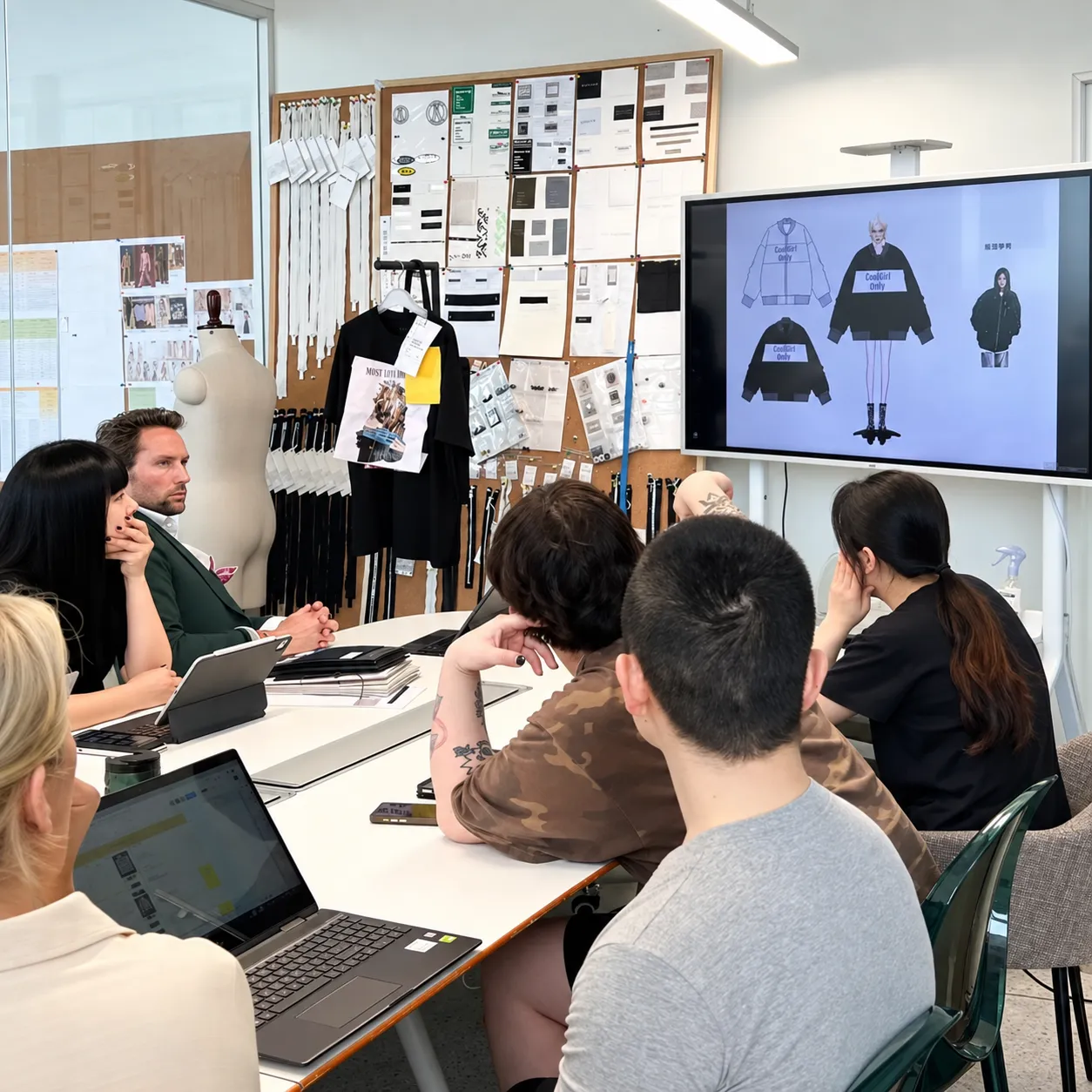
带上你的技术包——或者只是一个想法. 我们转动草图, reference images and specifications into production-ready streetwear for independent brands.
开始你的项目
索取报价
制造服务
打造您的街头服饰系列
Choose the right production path for your brand—from blank apparel and logo customization to complete cut-and-sew and private-label manufacturing.
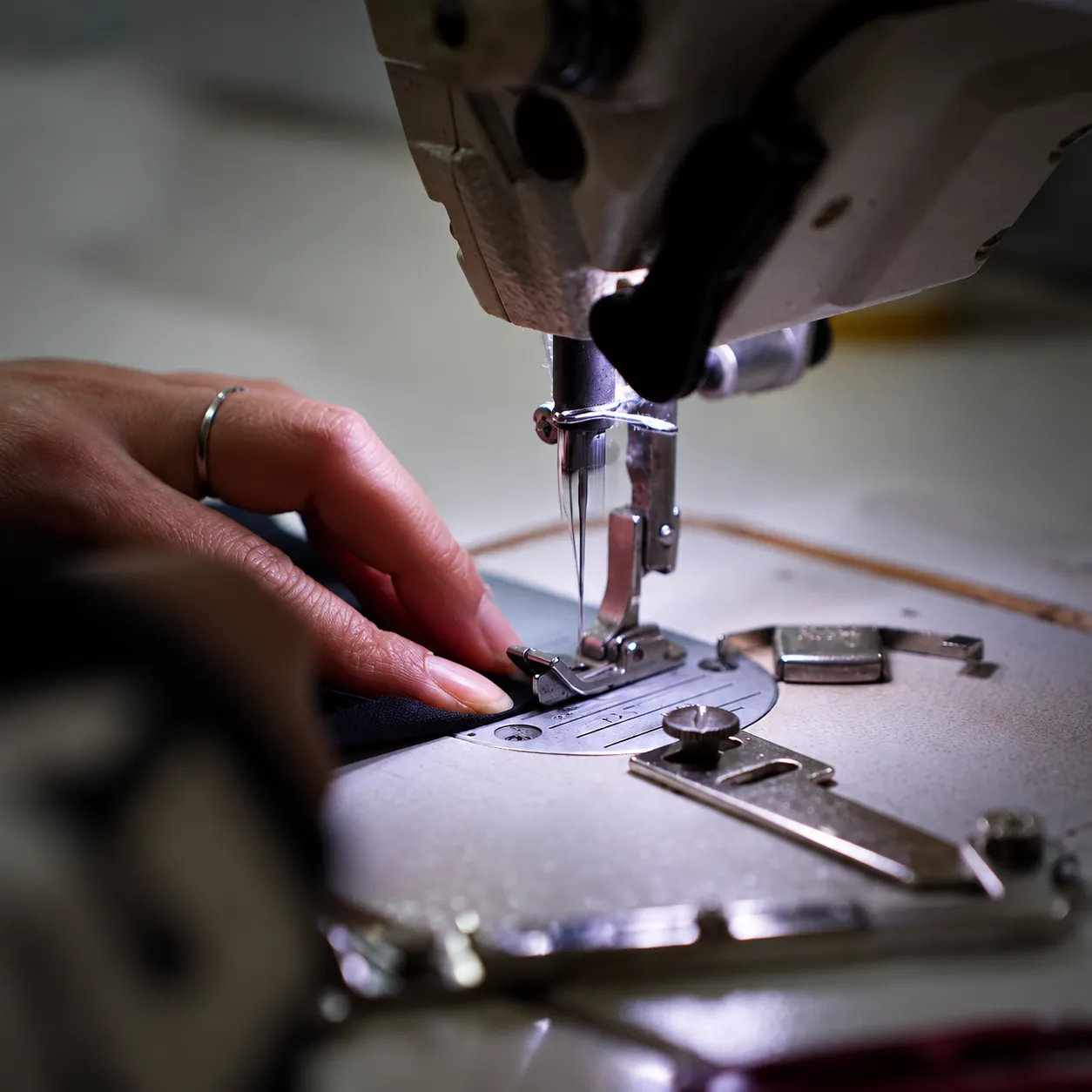
原始设计制造商 / OEM 街头服饰制造
控制 变量.
Buyers rarely lose margin because a factory cannot make one attractive sample. 当织物行为时问题就开始出现, 模式修改, 建造, decoration and packing are not controlled as one production system.
适合
结束
批量订单
01 / 材料 + 合身
服装在缝纫线开始之前就决定了.
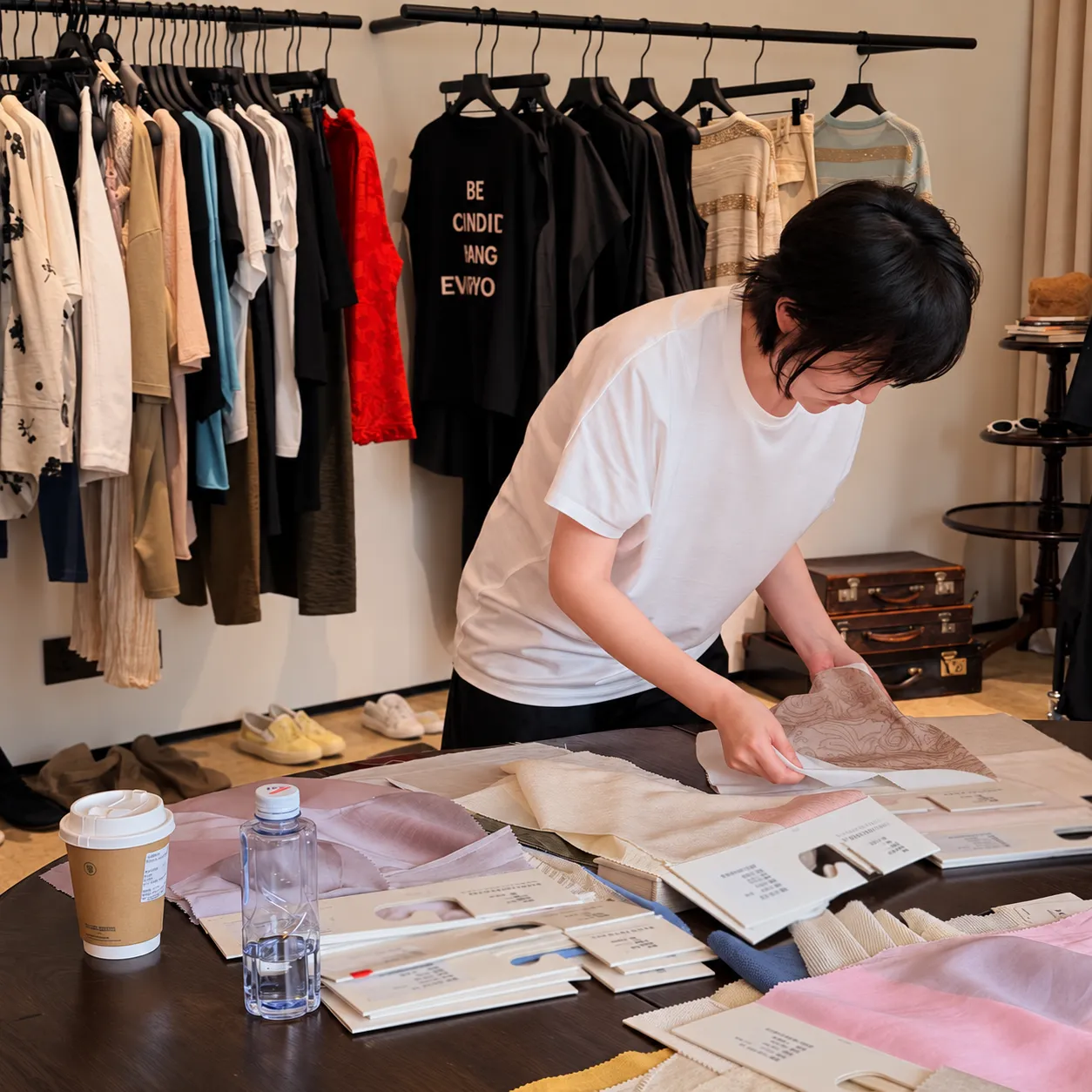
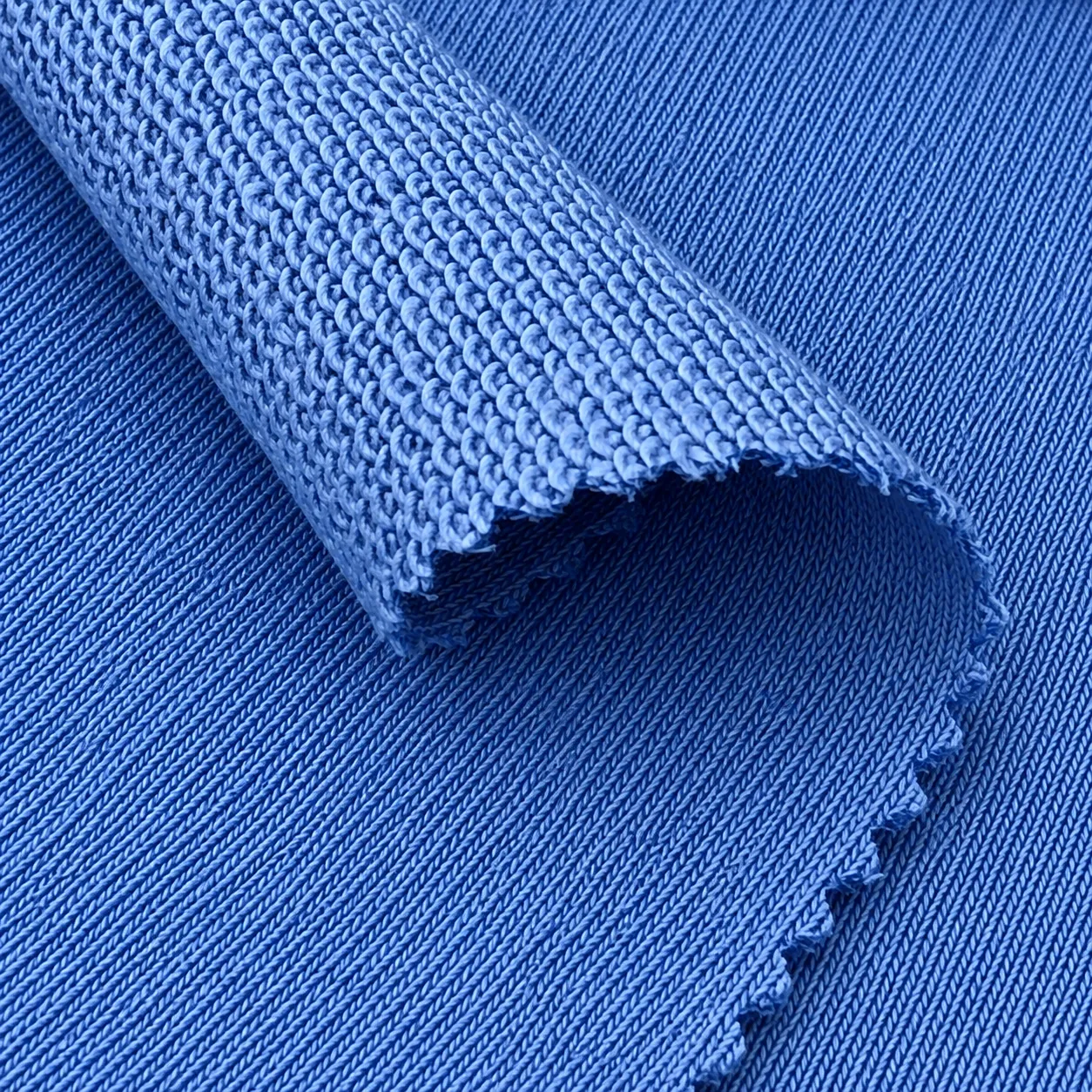
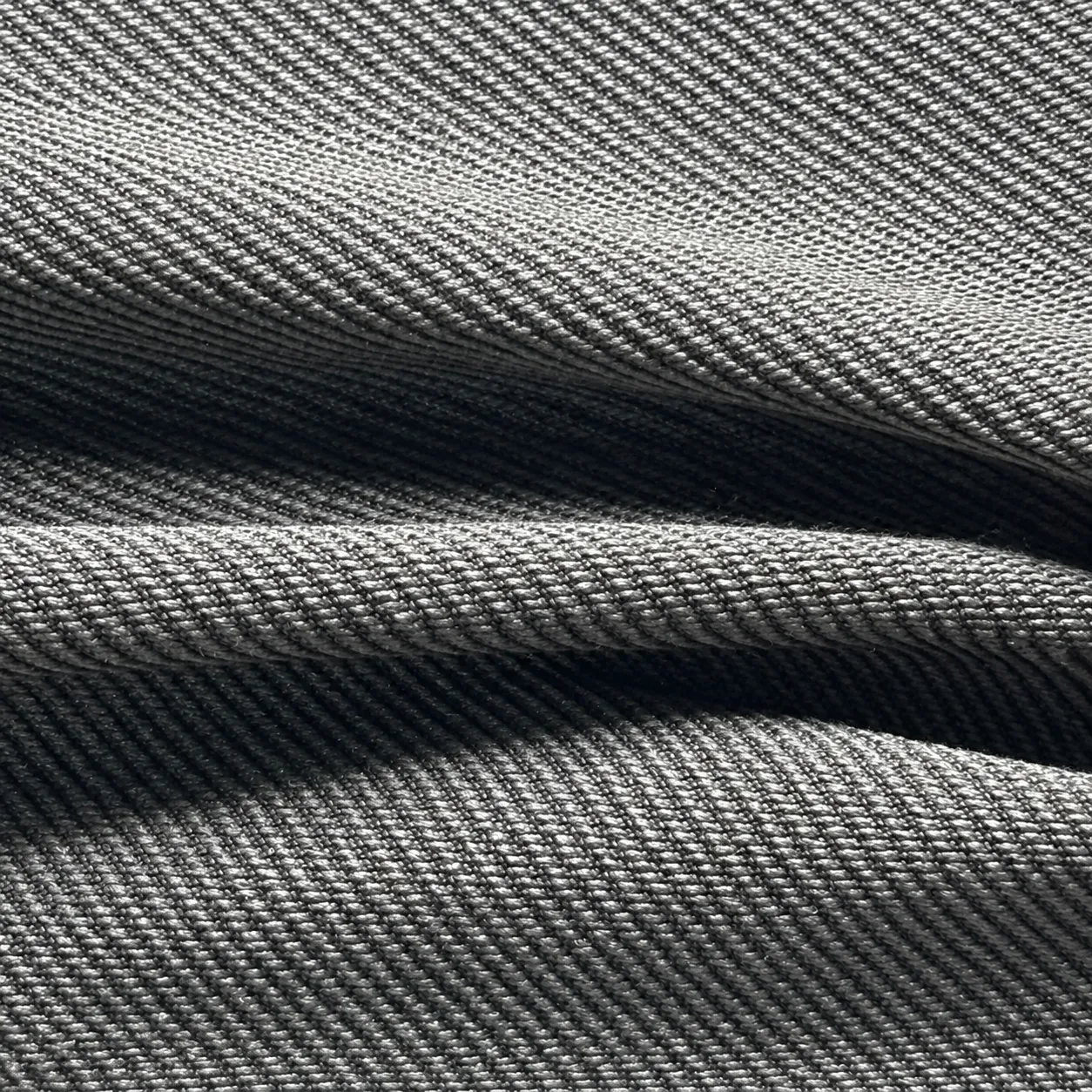
织物, rib and pattern must be approved as one connected system. 如果是单独开发的话, even a good sample can change after washing or during bulk production.
织物性能超越 GSM
买家关注. The same fiber composition and weight can still produce different hand feel, 收缩, 起球, 扭矩和恢复.
生产控制. 批准应涵盖建设, 可用宽度, 手感, 拉紧, 恢复, shrinkage and an agreed color reference—not only composition and GSM.
罗纹必须与身体面料一起恢复
买家关注. 领子和袖口可以波浪, loosen or shift shade after washing even when the main fabric looks correct.
生产控制. 肋骨组成, 重量, 拉伸比, recovery and color should be confirmed together with the approved body fabric.
一种批准的模式版本
买家关注. 旧模式文件, missing shrinkage allowance and unclear grading comments create size drift that sewing cannot correct.
生产控制. 图案, measurement chart and sample comments are locked as one revision before grain direction, placement and cutting are approved.
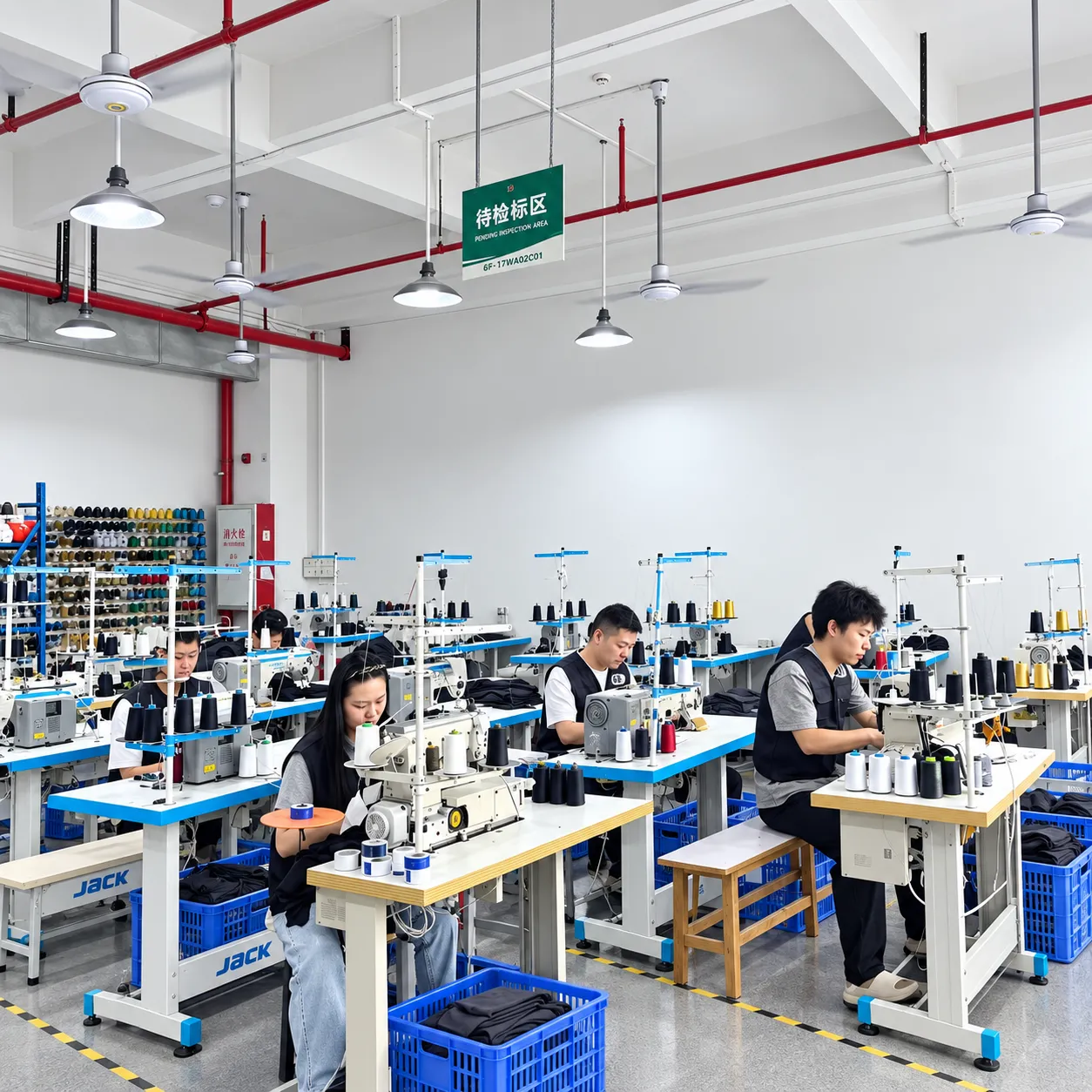
02 / 切 + 建造 + 重复
样品就是承诺. 线路控制使其可重复.
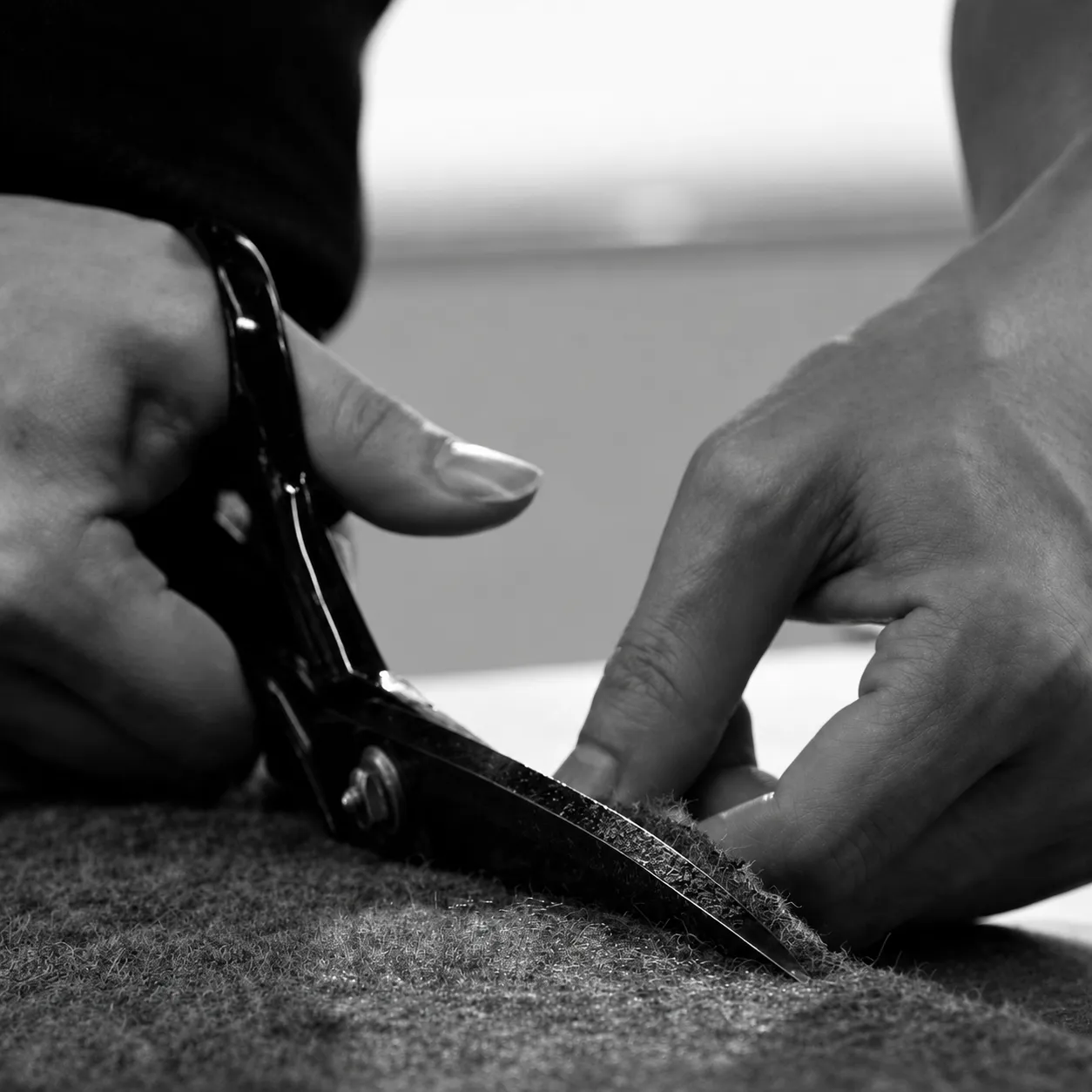
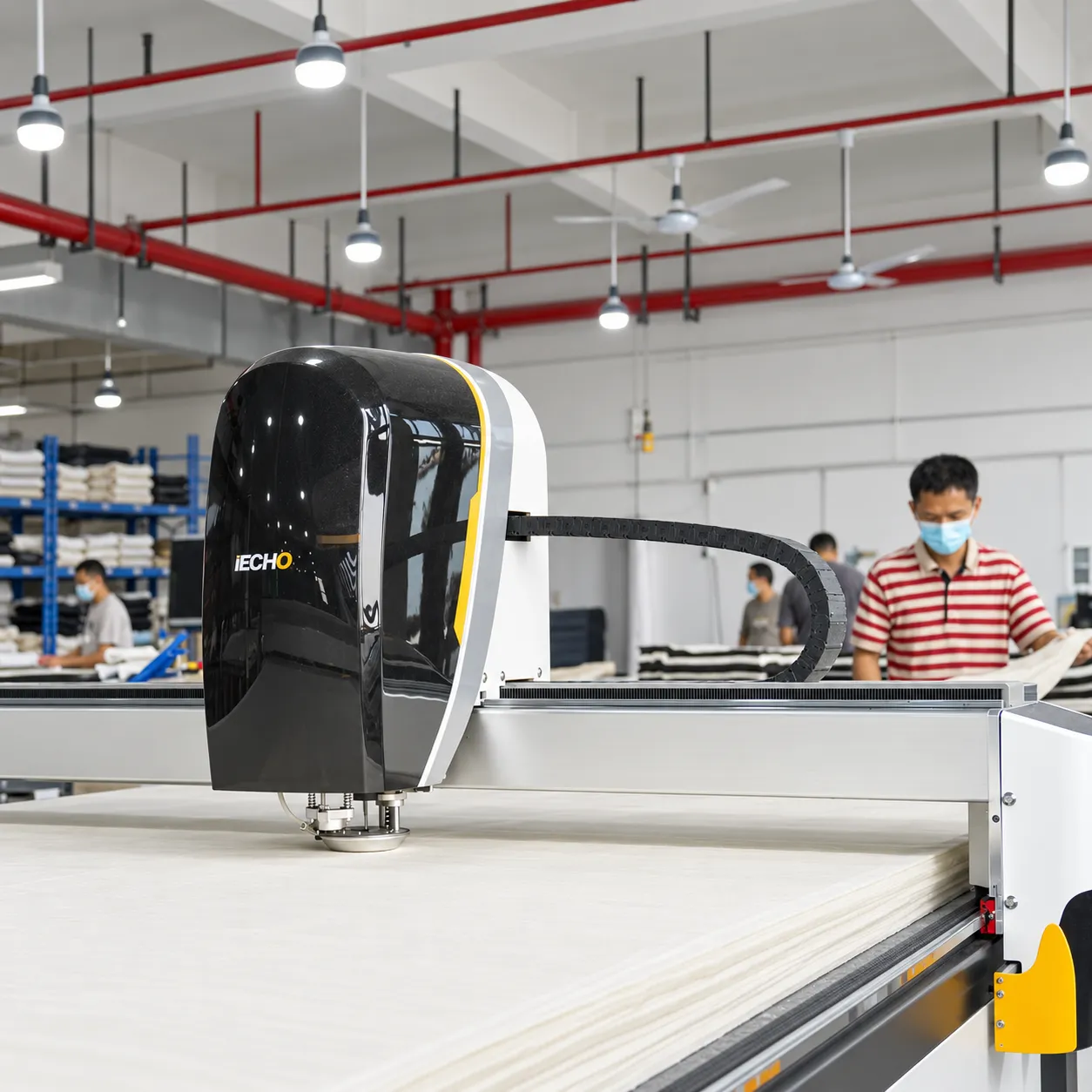
整体一致性不仅仅来自于最终检验. 它来自于控制切割, construction and operator standards while the order is still being produced.
切割零件必须保持可追溯性
买家关注. 混合染料批次, unstable lays and inaccurate notches create twisting, 面板不匹配和明显的色调差异.
生产控制. 标记方向, ply stability and cutting accuracy are reviewed by style. 尺寸, garment parts and dye lots remain identified through bundling.
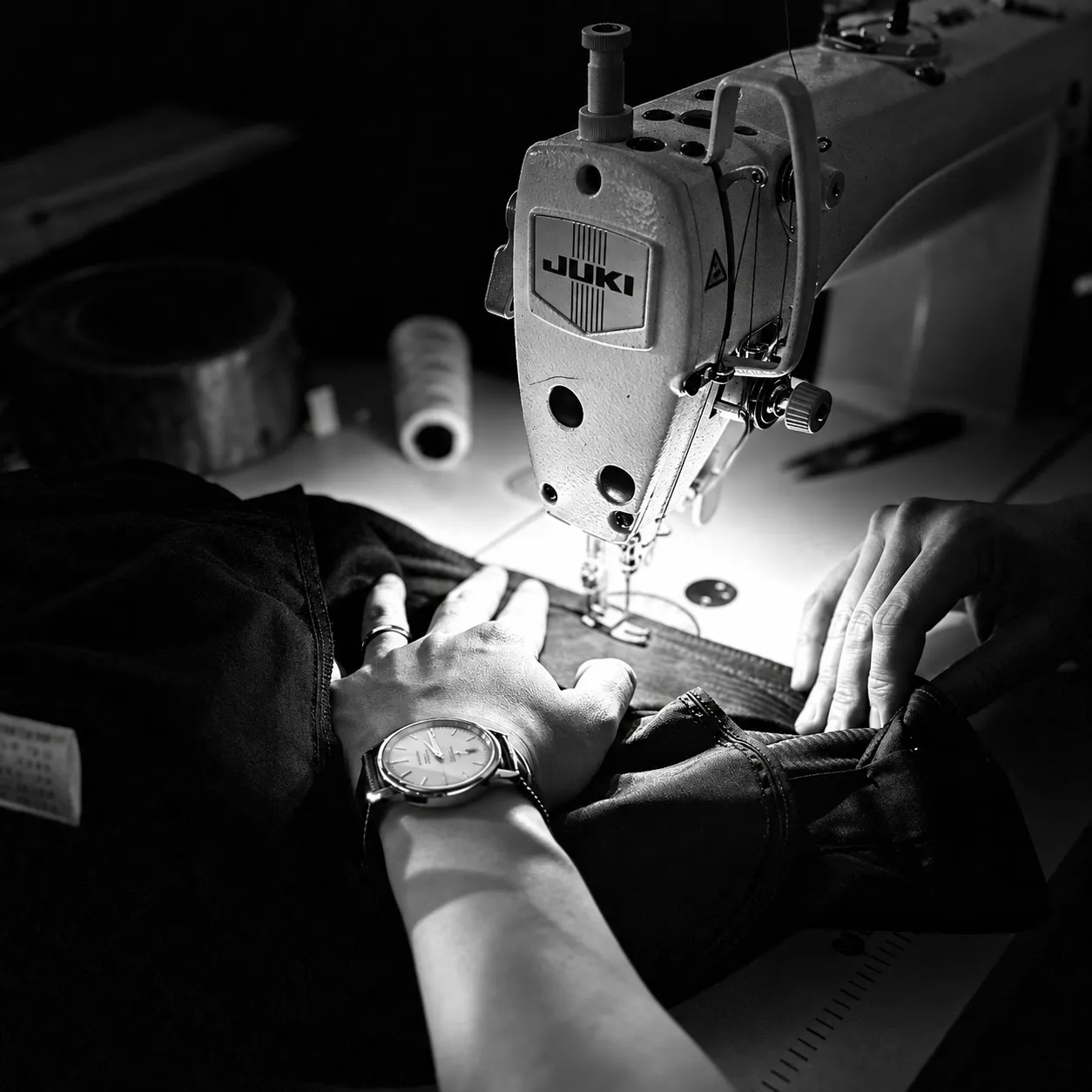
接缝必须适合面料
买家关注. 不正确的针, thread tension or stitch density can cause puckering, 跳针, 接缝磨痕和织物损坏.
生产控制. 针, 线, 针迹类型, density and seam construction are selected around the material and intended use. Stress points and first-off pieces are checked before volume production.
在生产运行时纠正问题
买家关注. Approved details may be interpreted differently between operators, 尺寸和生产天数.
生产控制. 密封样品, operation instructions and critical quality points remain at line level. First-piece and in-line feedback identify drift before it reaches final inspection.
03 / 表面开发
装饰是材料系统的一部分.
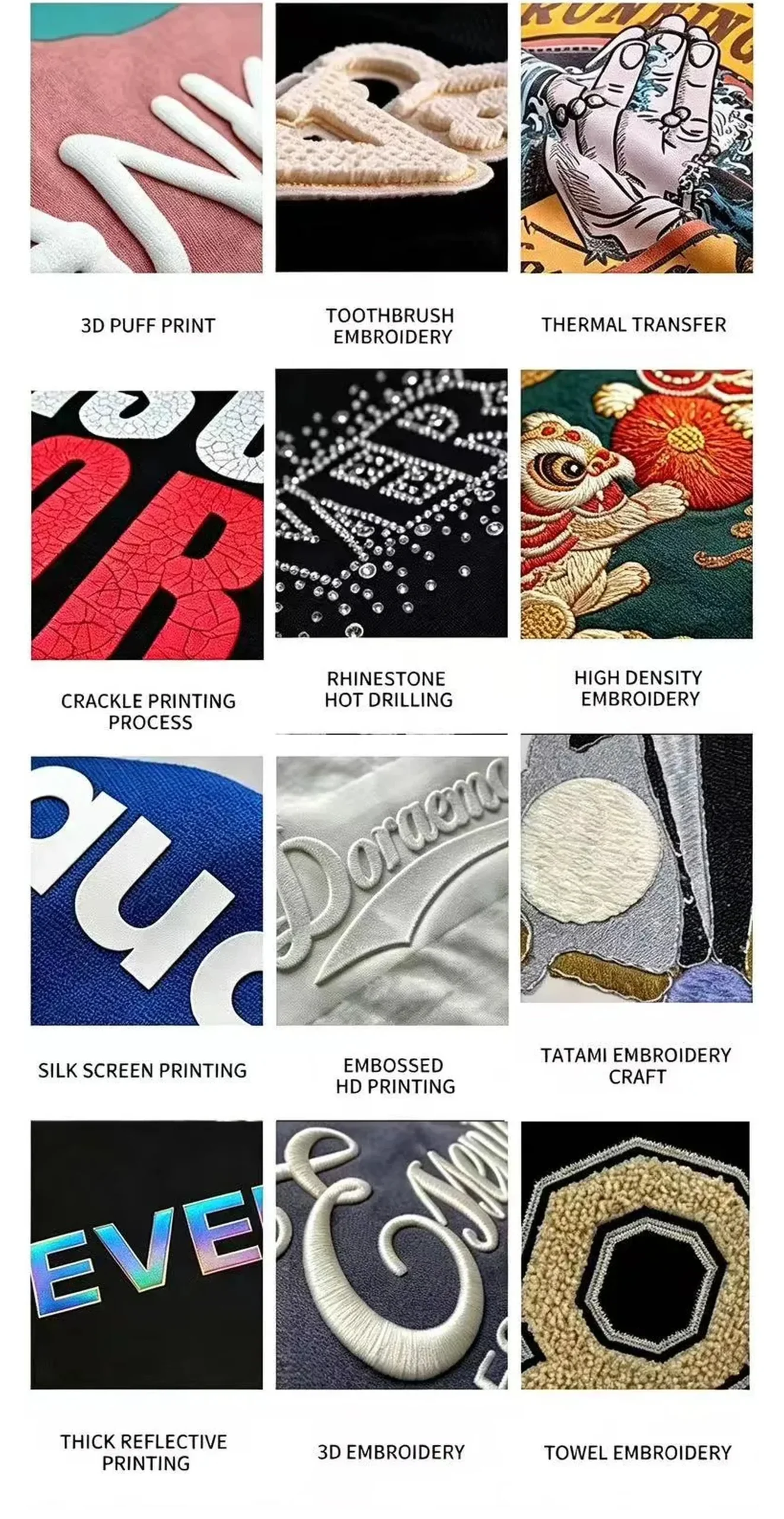
应根据实际面料选择徽标技术, 艺术品细节, hand feel and expected use—not selected from a digital mock-up alone.
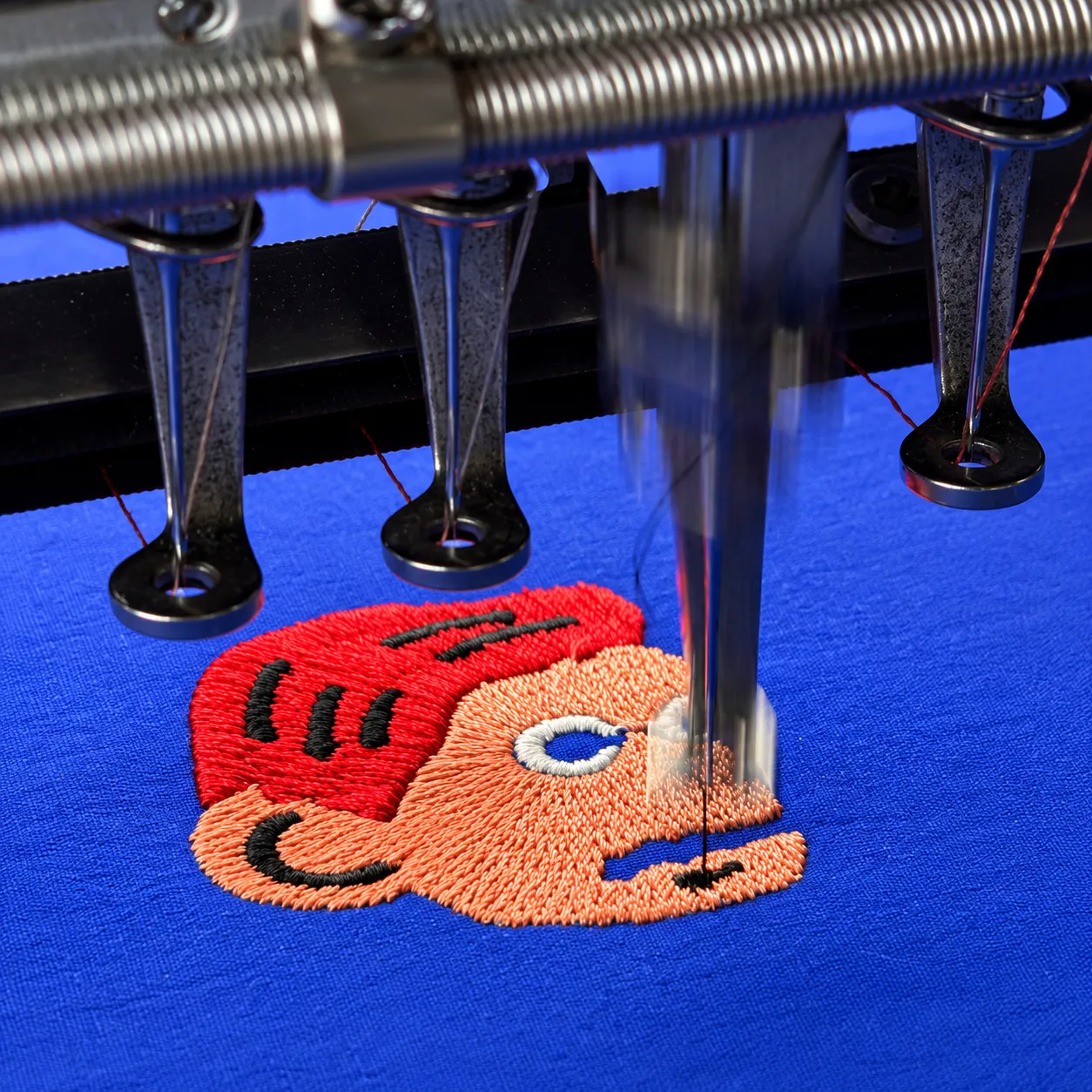
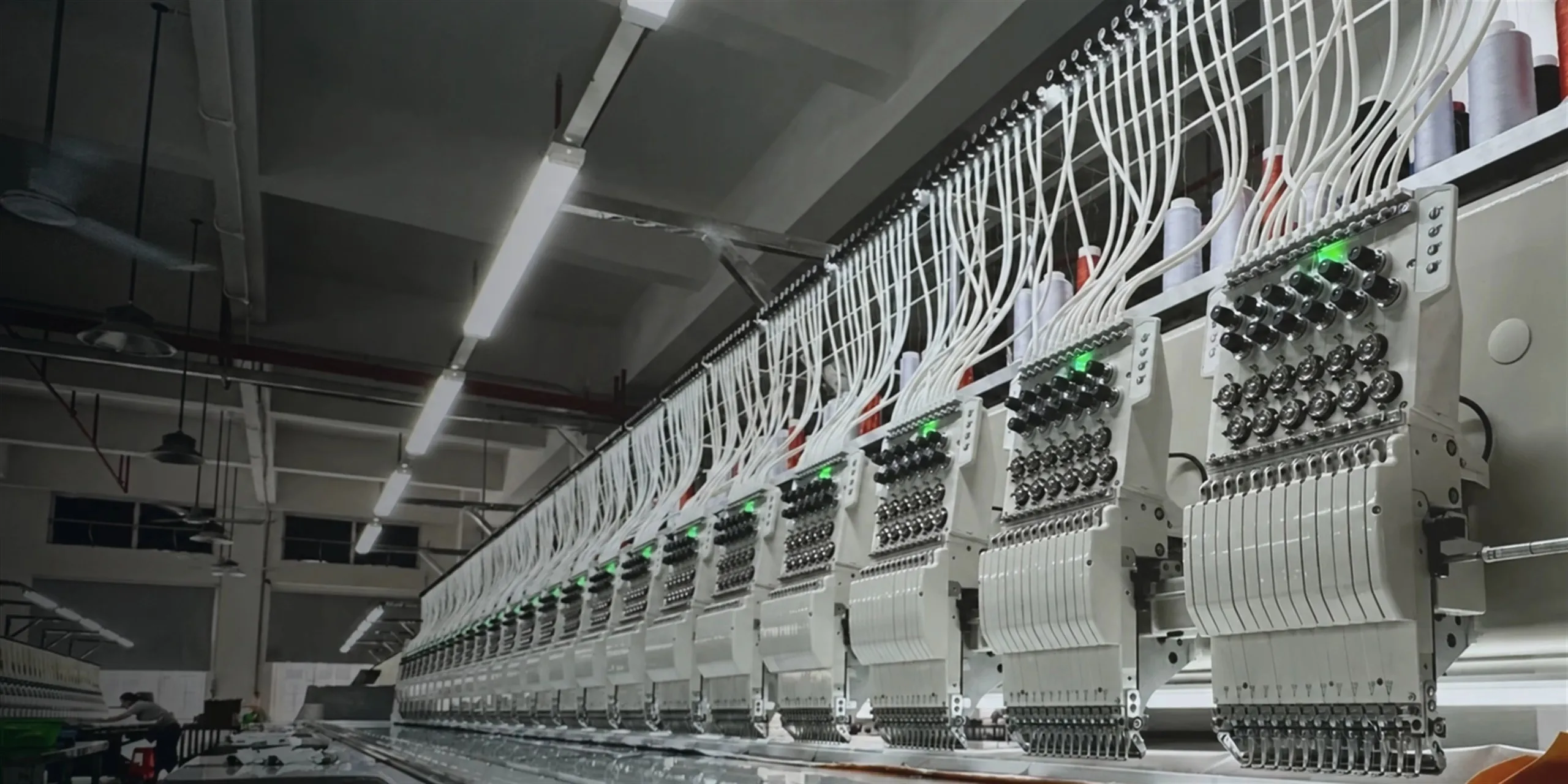
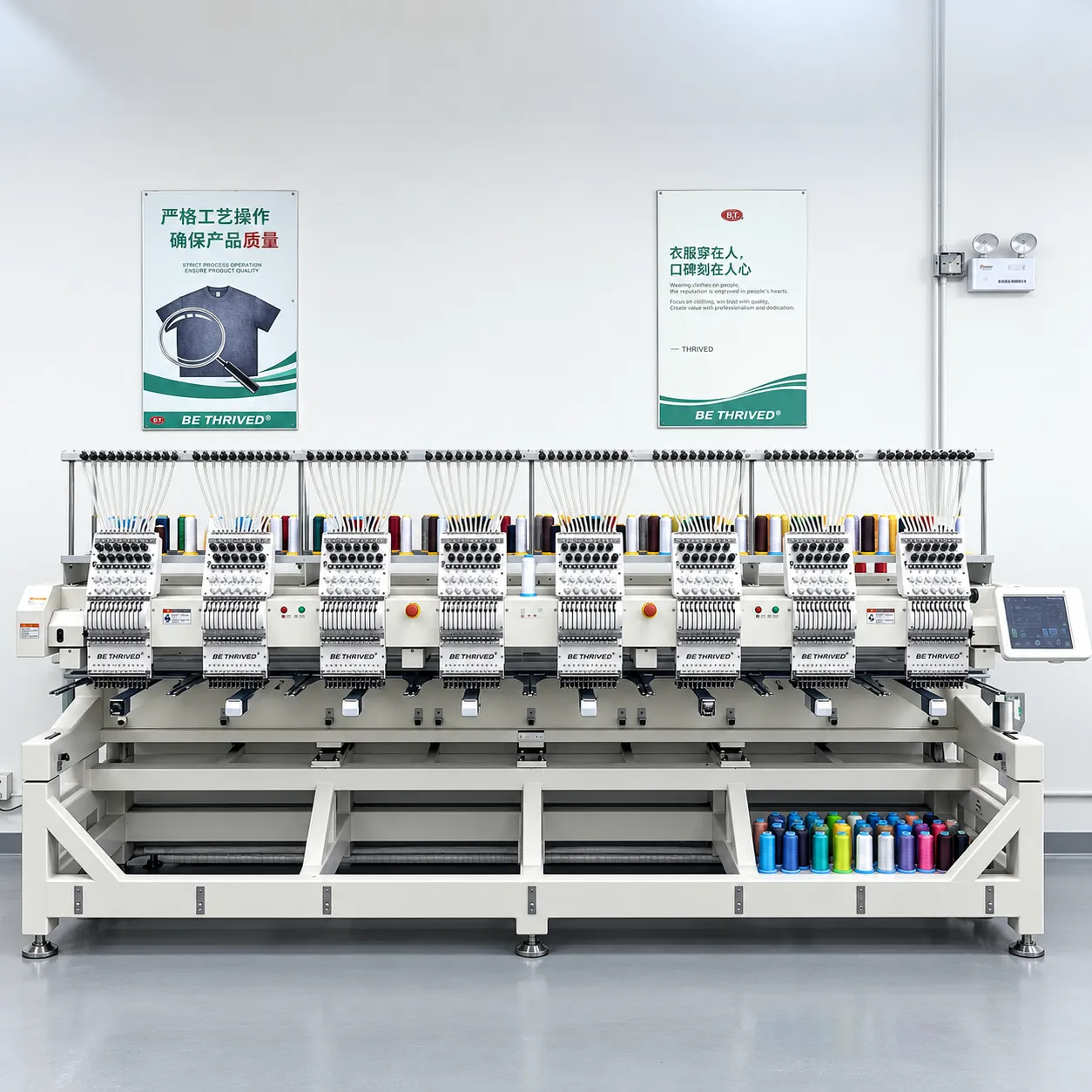
刺绣从数字化开始
买家关注. 密度过高会使织物起皱, 关闭小字, 扭曲放置并留下支撑可见.
生产控制. 针数, 底层, 密度, 后盾, thread and hooping are developed for the actual fabric. A physical strike-off confirms scale, 颜色, 放置和手感.
根据最终结果选择打印技术
买家关注. 饰面可能会破裂, 果皮, feel too heavy or lose fine artwork details after application and washing.
生产控制. 丝网印刷, 噗, 转移, 高密度, rhinestone and embroidery options are compared against fabric compatibility, 艺术品细节, 数量和洗涤期望.
渲染证实了这个想法. 取消批准生产.
物理批准应定义技术, 方面, 放置, color and finished hand feel so the bulk result is compared with a real standard rather than a screen image.
04 / 品牌 + 包装
零售就绪意味着最后 5% 也受到控制.
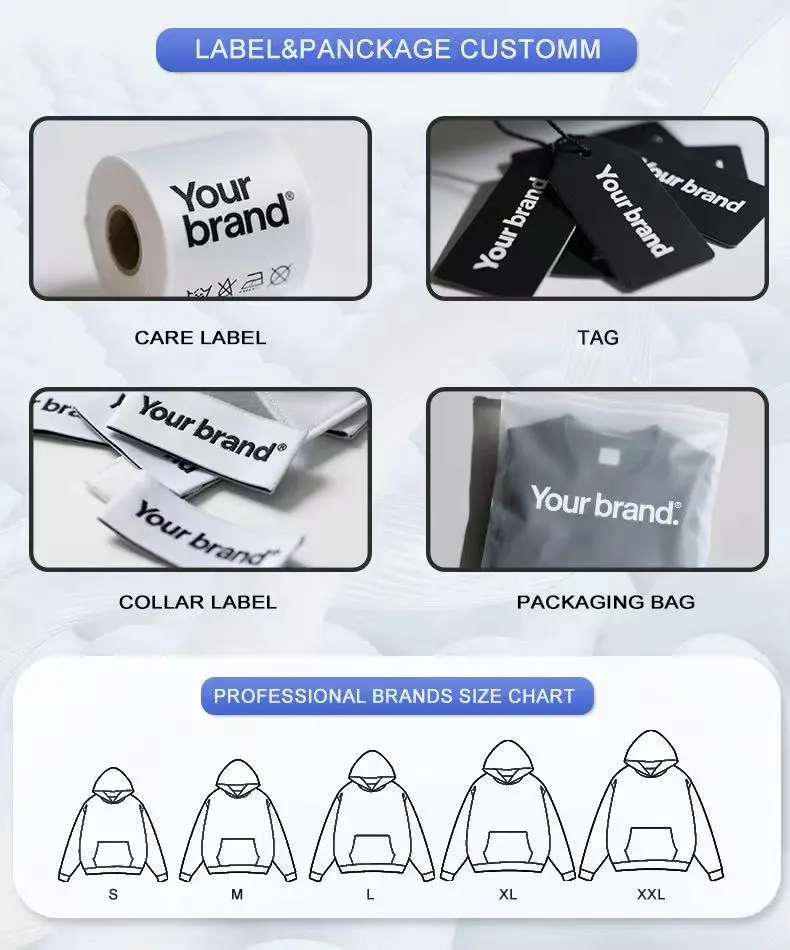
标签和包装影响合规性, 仓库收货, 履行准确性和客户的第一印象. They should be approved as production components—not added as an afterthought.
- 01 护理标签 买家认可的内容, 符号, 语言和纤维信息.
- 02 颈部和尺码标签 艺术品, 方面, 折叠方法及服装摆放.
- 03 吊牌 打印完成, 附着点, 绳索和顺序.
- 04 包装袋 材料, 方面, 关闭和所需的警告信息.
- 05 尺寸和条形码数据 正确的SKU, 颜色, 尺寸和买家提供的条形码信息.
- 06 纸箱品种 数量明细, 纸箱标记和装箱单说明.
01 / 材料 + 合身
告诉我们您的材料和合身要求.
02 / 切 + 建造 + 重复
告诉我们您的生产要求.
03 / 表面开发
告诉我们您的装修要求.
04 / 品牌 + 包装
告诉我们您的品牌和包装要求.
代加工 / ODM 买家常见问题解答
下订单前明确答案.
可靠的报价应制定产品规格, 审批阶段, 成本, quality standards and responsibilities clear before materials and money are committed.
发送您的项目详细信息 ↓01 OEM 和 ODM 服务有什么区别?
当您的产品在技术上已经确定时,OEM 是合适的. 您提供技术包, 测量图, 艺术品, 施工细节和材料要求. Development and production follow these approved specifications.
ODM适用于部分产品仍需开发的情况. 你可以从草图开始, 参考服装, mood boards or a market brief. 织物, 建造, fit and decoration options are then developed for your approval.
开始之前, both sides should confirm who supplies the pattern and artwork, 包括哪些开发工作, who owns the final files and which approval releases the order for production.
02 如果我们没有完整的技术包,您可以开始吗?
是的. 我们可以从清晰的参考照片开始, sketches or a physical garment. 然而, the first quotation should be treated as an estimate until the main product details are confirmed.
- 正面, 背面和构造参考.
- 目标织物重量和手感.
- 拟合方向和近似测量值.
- 标志方法, 尺寸和位置.
- 按款式和颜色估计数量.
- 包装和目的地市场.
Missing information should be shown as an open decision instead of being silently assumed in the quotation.
03 定制服装的最小起订量是如何确定的?
最小起订量不仅仅取决于缝纫能力. It is frequently controlled by the minimum purchase or setup quantity for fabric dyeing, 定制颜色, 肋骨, 拉链, 标签, 印刷, embroidery and packaging.
真正的最小起订量应通过以下方式确认 风格, 颜色及定制方式. A total order may appear large enough while each individual color is still below the material minimum.
通过使用可用的面料可以减少起始数量, 现有颜色, 共享装饰, 更少的配色和标准化包装.
04 报价单中应包含哪些内容?
A unit price is only meaningful when the assumptions behind it are visible. 报价单应注明面料, 修剪, 建造, 装修岗位, 颜色数量, 标签, 用于定价的包装和数量细目.
- 样品开发和额外样品轮次.
- 定制面料, 屏幕或数字化设置.
- 测试和第三方检验.
- 特殊标签和包装.
- 国际货运及保险.
- 进口关税和目的地清关.
如果规格发生变化, the revised price should be confirmed before new materials or processes are ordered.
05 什么决定了采样时间和修改次数?
取样时间不仅仅取决于缝纫. 定制面料, 特殊染色, 独特的装饰, pattern development and decoration strike-offs may each require a separate approval stage.
The number of revisions is mainly affected by how complete the first specification is and whether all buyer comments are consolidated into one clear file.
Every sample round should end with one dated comment document showing what is approved, what must change and which decisions remain open.
06 如何防止批量生产与批准的样品不同?
仅有样本是不够的. The production standard should combine the physical sample with all approved technical information.
- 密封的预生产样品.
- 确认的物料清单.
- 测量图表和公差.
- 艺术品尺寸和位置.
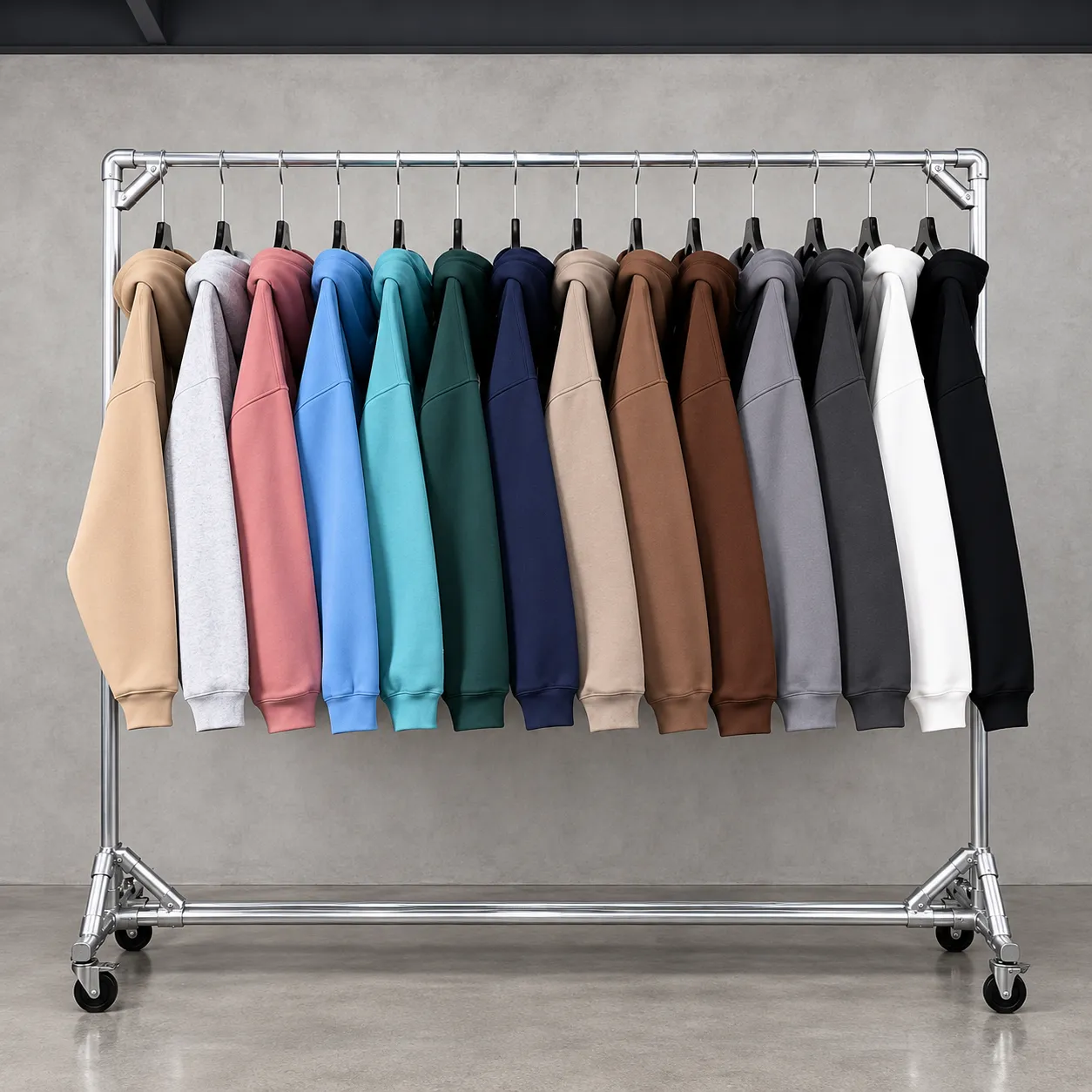
- 织物, 罗纹和颜色参考.
- 标签和包装说明.
First-piece and in-line checks identify production drift while correction is still possible. Any unavoidable substitution should be approved before it enters production.
07 布料颜色如何, 收缩率和手感得到控制?
面料批准不应涵盖成分和重量. 取决于产品, 买家可能需要确认施工, 可用宽度, 手感, 颜色, 收缩, 拉紧, 恢复, 起球和色牢度.
Custom colors should be approved against a physical reference or lab dip under consistent lighting. Acceptable shade grouping and panel matching should be agreed before cutting.
Required testing should be identified before quotation because test methods and acceptance levels affect cost and schedule.
08 如何管理服装尺寸和公差?
Every measurement should have a defined measurement point and method. Results may change depending on whether the garment is relaxed, 洗涤后拉伸或测量.
Tolerances should be assigned by measurement point rather than using one vague tolerance for the whole garment. Critical fit measurements normally require tighter control.
图案修改, shrinkage allowance and grading rules must remain connected to the same approved measurement chart.
09 印花、绣花该如何审批?
数字模型批准了设计方向, but it does not confirm how the decoration will behave on the actual fabric. 生产批准应采用实物剔除.
- 艺术品尺寸和位置.
- 颜色和线参考.
- 表面质感及手感.
- 刺绣密度和底布.
- 拉伸和水洗性能.
- 可接受的批量变化.
工艺要围绕面料来选择, artwork detail and intended use.
10 如何保护我们的艺术品和品牌信息?
如果需要保密, an NDA should be arranged before complete artwork, unreleased collections or commercially sensitive information are shared.
该协议应定义买家提供的艺术品的所有权, 新开发的模式, 样品, 模具和生产文件.
Buyers should also confirm whether branded samples or finished products may be photographed or used publicly.
11 发货前可以完成哪些检验?
检查计划可以包括进料检查, 首件批准, 在线检验和最终检验. 检查应根据批准的样品和书面规格进行.
批判的, major and minor defects should be defined before inspection. If an AQL-based or independent third-party inspection is required, 应在生产开始前添加.
如果货物检验不合格, shipment should be held while affected units are identified, 已纠正并重新检查.
12 付款和国际运输如何确认?
The proforma invoice or purchase agreement should state the currency, 付款阶段, 样品费, 生产数量, 国际贸易术语解释通则, 装运点和随附文件.
Production may require both the agreed payment and approval of the fabric, 样本, 艺术品, 标签和包装. Payment alone should not approve incomplete specifications.
出厂价, 国际货运, 职责, taxes and destination clearance should be separated so each cost and responsibility is clear.
对您的产品仍有疑问?
发送您的参考图像, 技术包, target quantity and delivery market. 我们将首先审查开放生产决策.