Партнер по производству уличной одежды
OEM & ОДМ Streetwear Manufacturer
Bring your tech pack—or just an idea. We turn sketches, reference images and specifications into production-ready streetwear for independent brands.
Начни свой проект
Запросить цену
Manufacturing Services
Build Your Streetwear Line
Choose the right production path for your brand—from blank apparel and logo customization to complete cut-and-sew and private-label manufacturing.
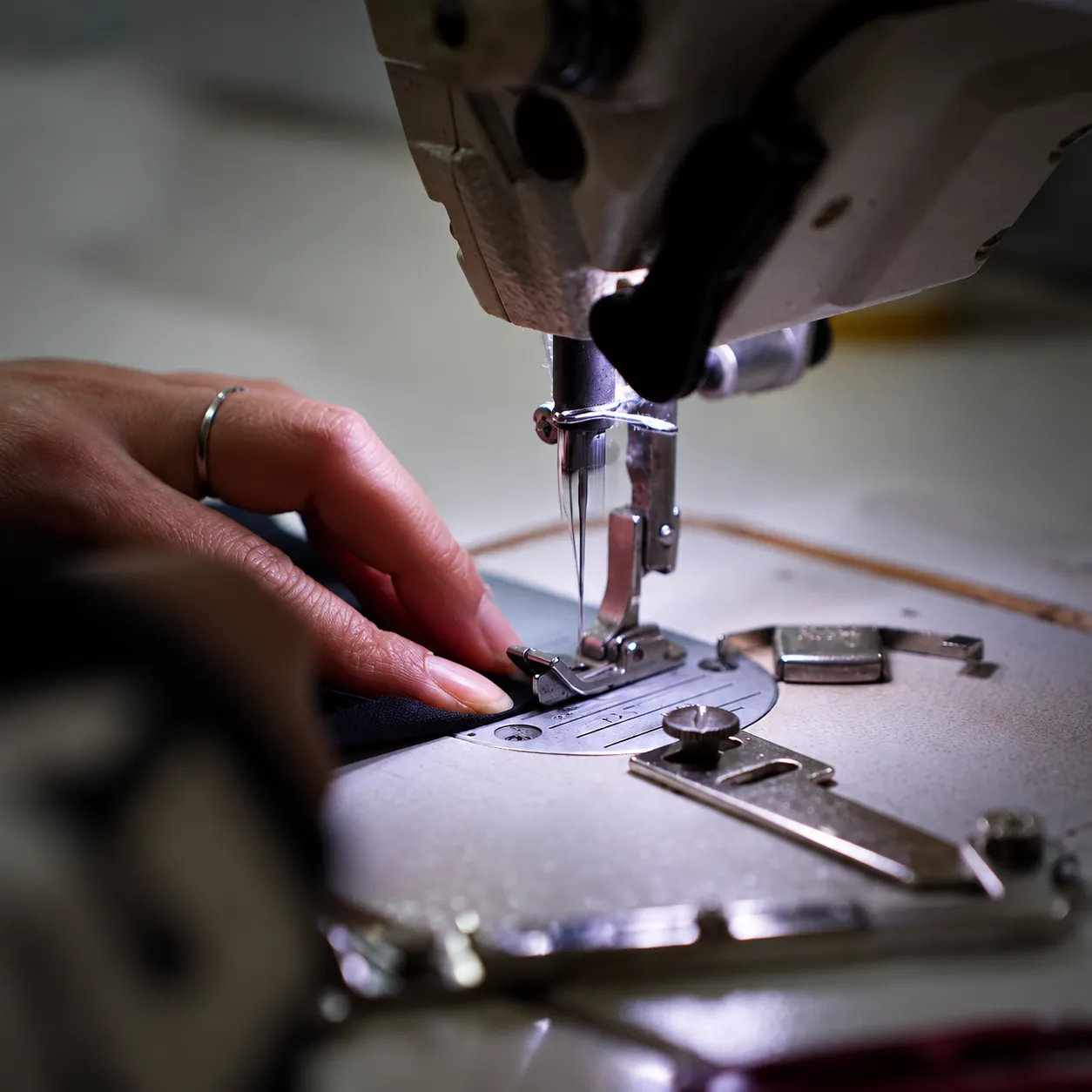
ОДМ / OEM Streetwear Manufacturing
Control the variables.
Buyers rarely lose margin because a factory cannot make one attractive sample. Problems begin when fabric behavior, pattern revisions, строительство, decoration and packing are not controlled as one production system.
the fit
the finish
the bulk order
01 / Material + Fit
The garment is decided before the sewing line starts.
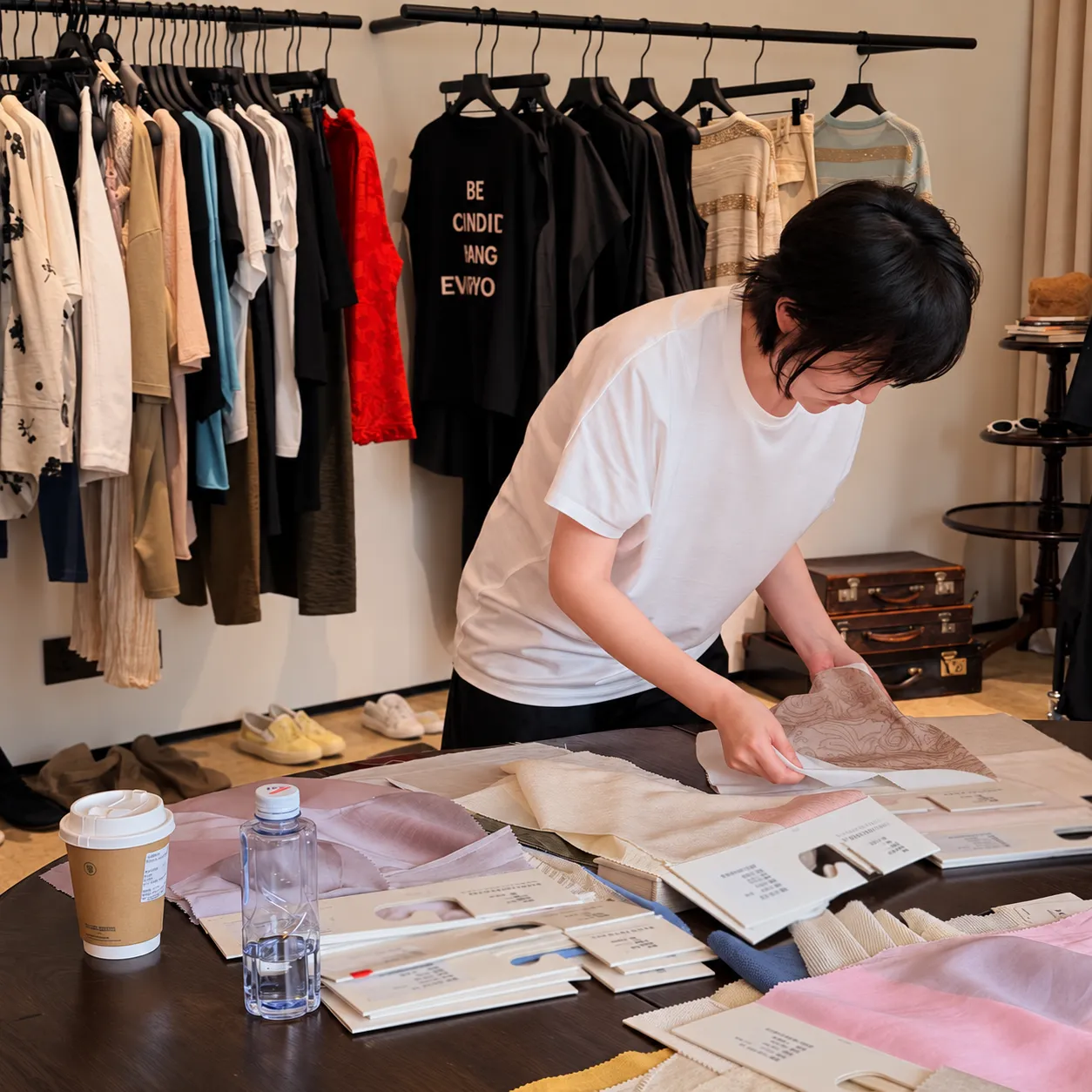
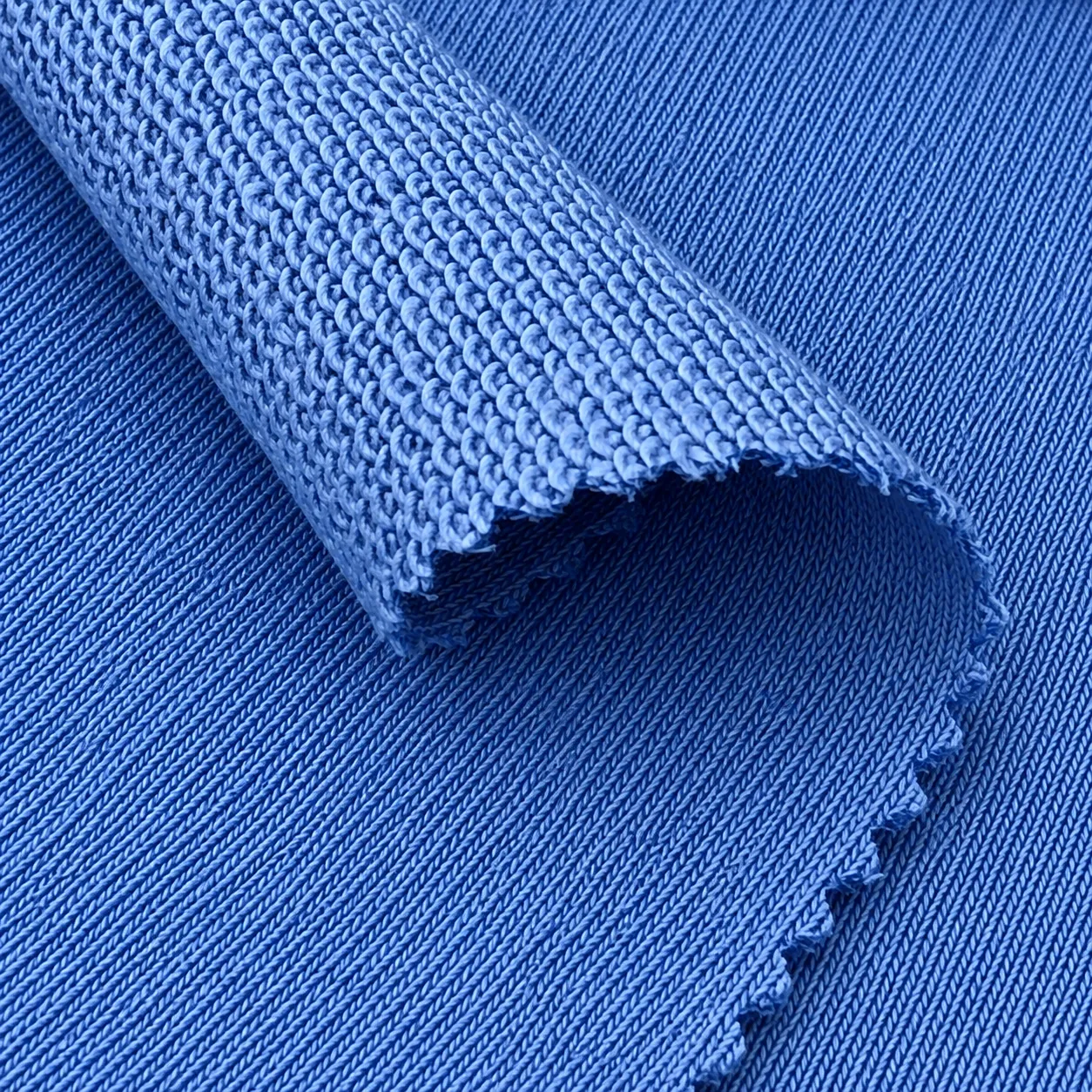
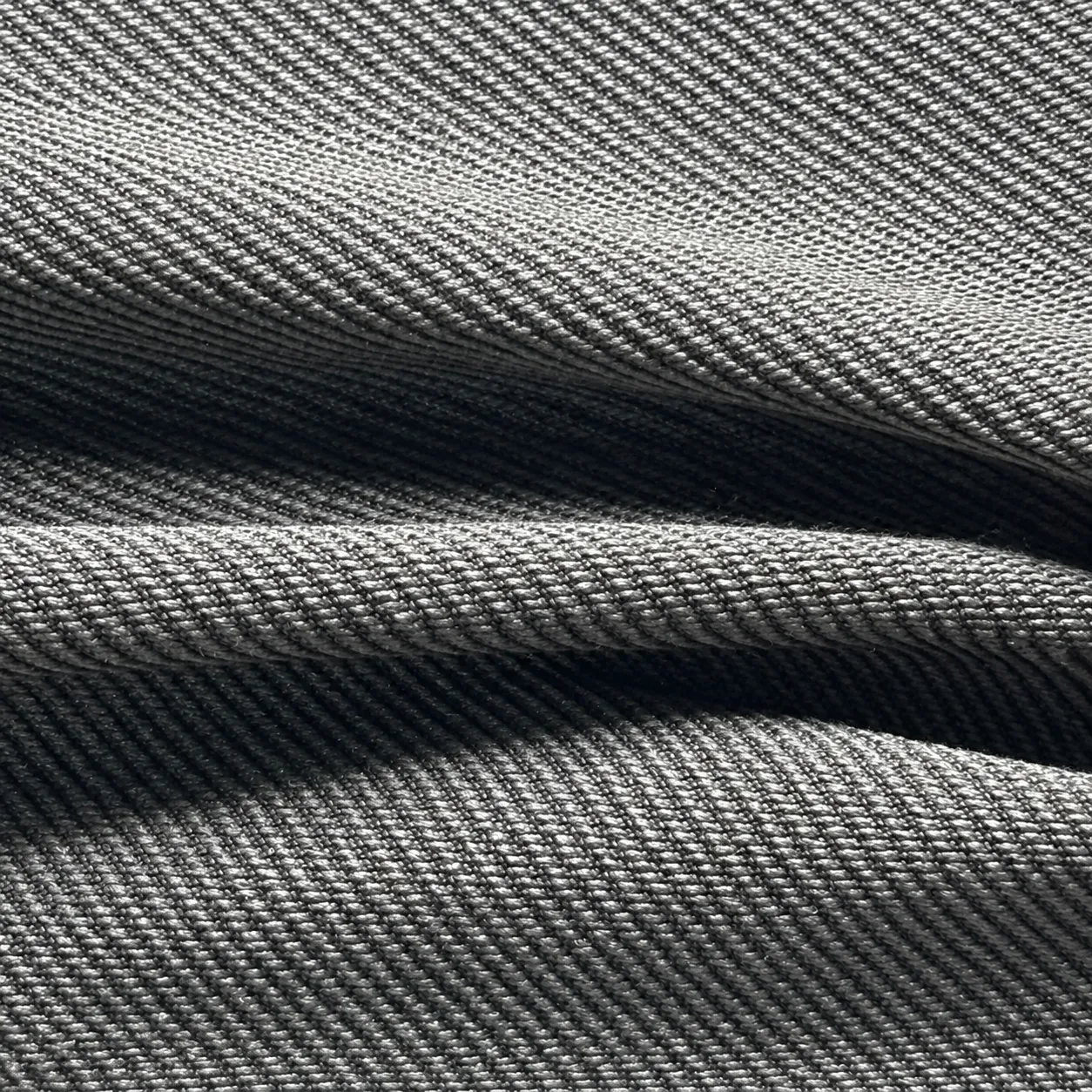
Ткань, rib and pattern must be approved as one connected system. If they are developed separately, even a good sample can change after washing or during bulk production.
Fabric performance beyond GSM
Buyer concern. The same fiber composition and weight can still produce different hand feel, shrinkage, pilling, torque and recovery.
Production control. Approval should cover construction, usable width, ощущение руки, stretch, recovery, shrinkage and an agreed color reference—not only composition and GSM.
Rib must recover with the body fabric
Buyer concern. Collars and cuffs can wave, loosen or shift shade after washing even when the main fabric looks correct.
Production control. Rib composition, weight, stretch ratio, recovery and color should be confirmed together with the approved body fabric.
One approved pattern version
Buyer concern. Old pattern files, missing shrinkage allowance and unclear grading comments create size drift that sewing cannot correct.
Production control. The pattern, measurement chart and sample comments are locked as one revision before grain direction, placement and cutting are approved.
02 / Резать + Строить + Repeat
A sample is a promise. Line control makes it repeatable.
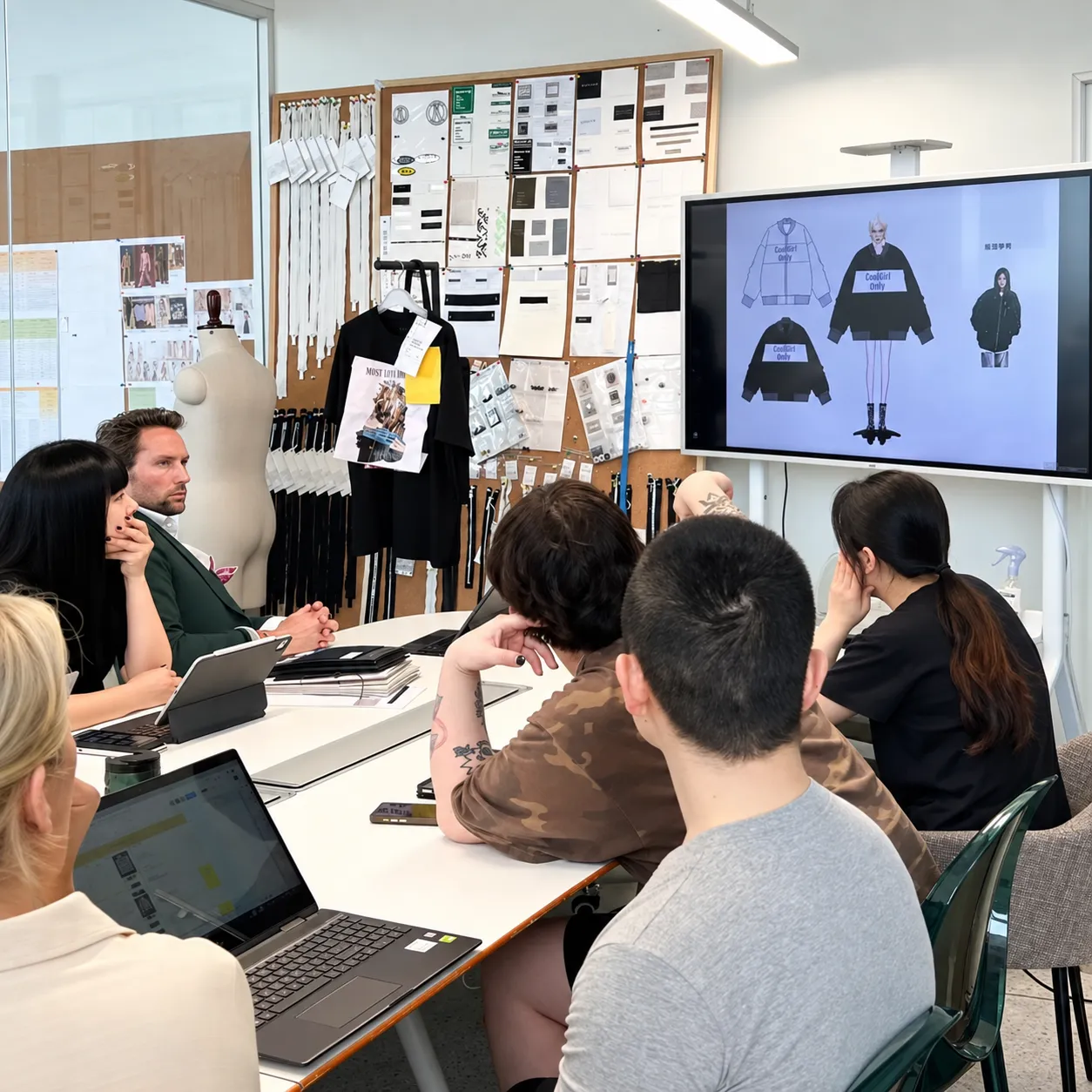
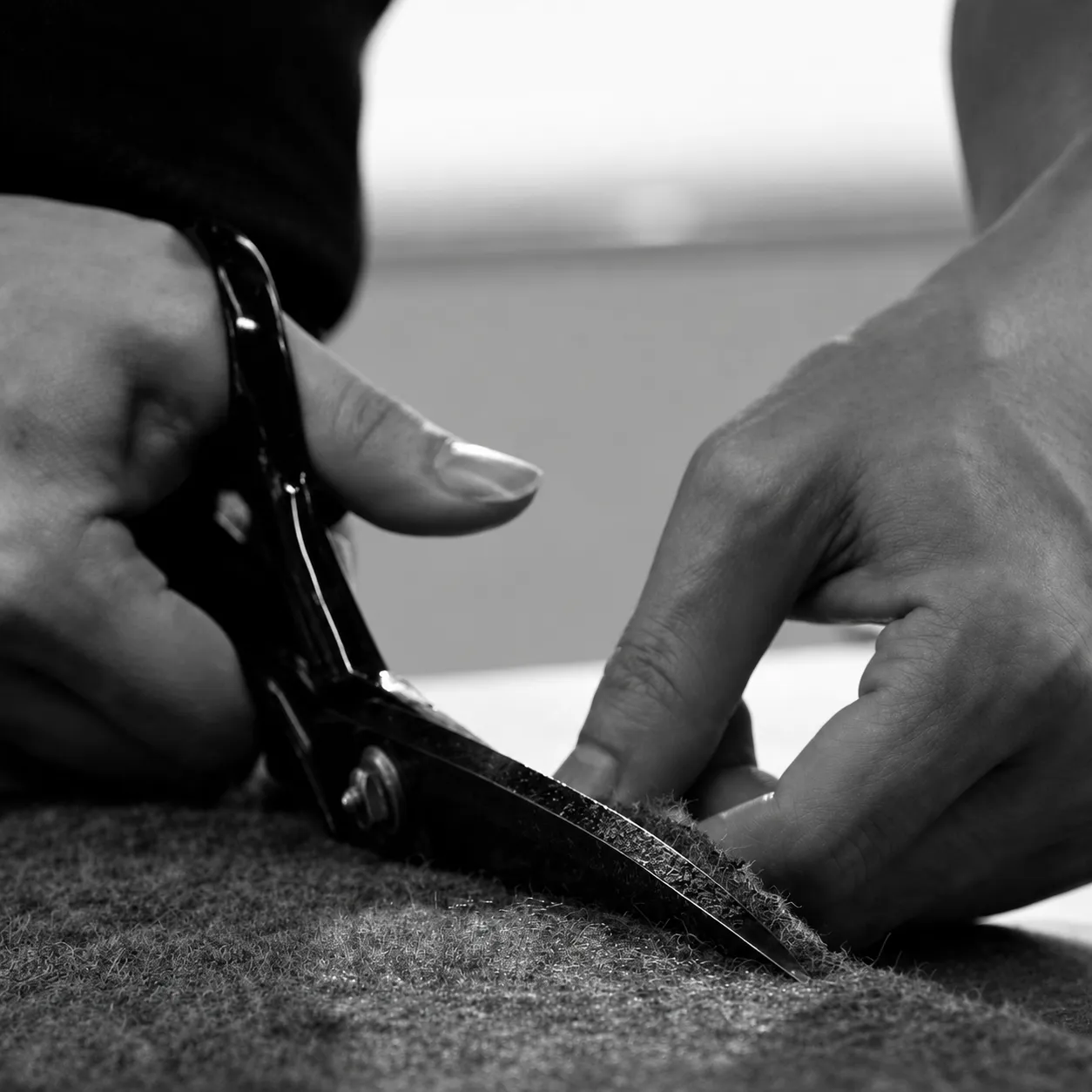
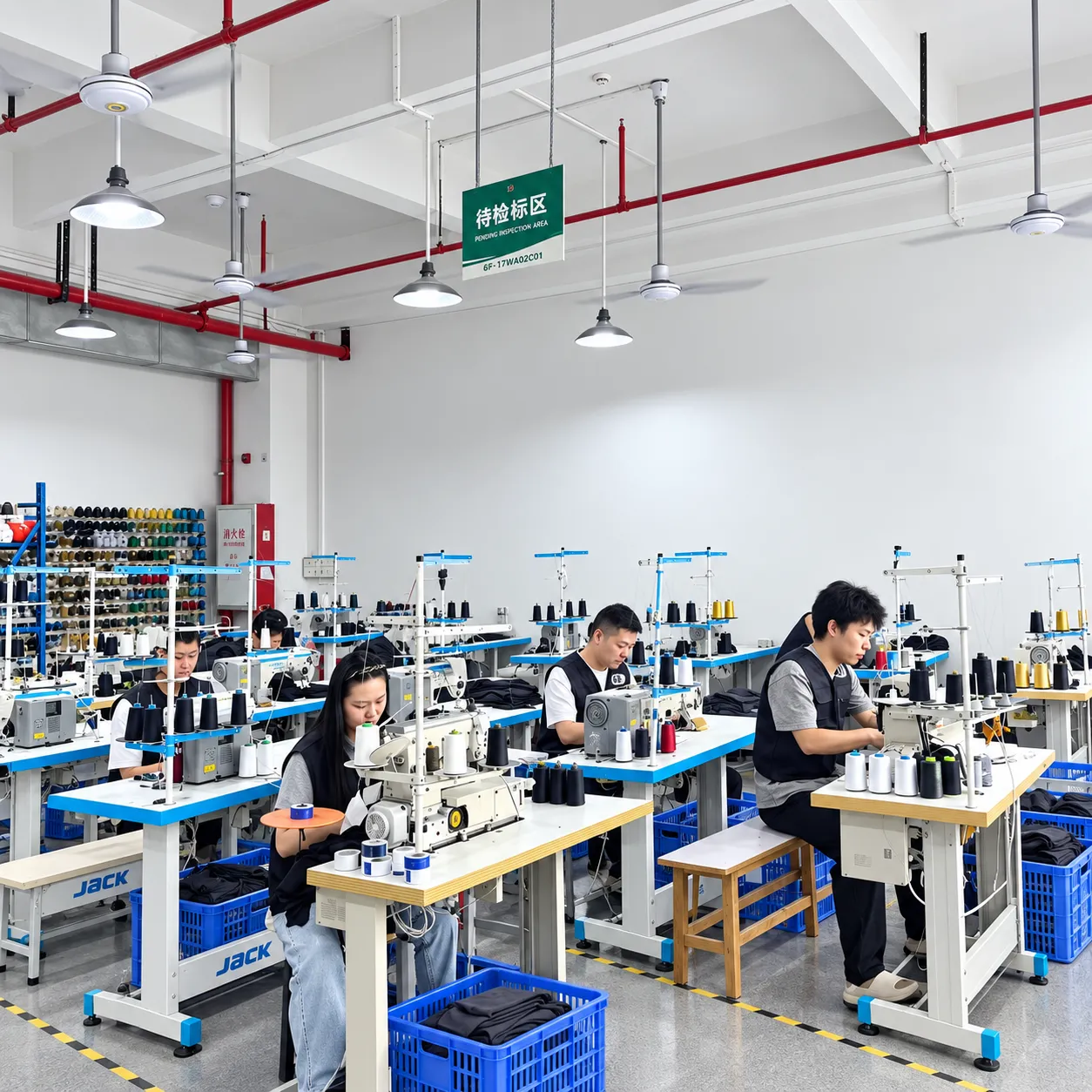
Bulk consistency does not come from final inspection alone. It comes from controlling cutting, construction and operator standards while the order is still being produced.
Cut parts must remain traceable
Buyer concern. Mixed dye lots, unstable lays and inaccurate notches create twisting, panel mismatch and visible shade differences.
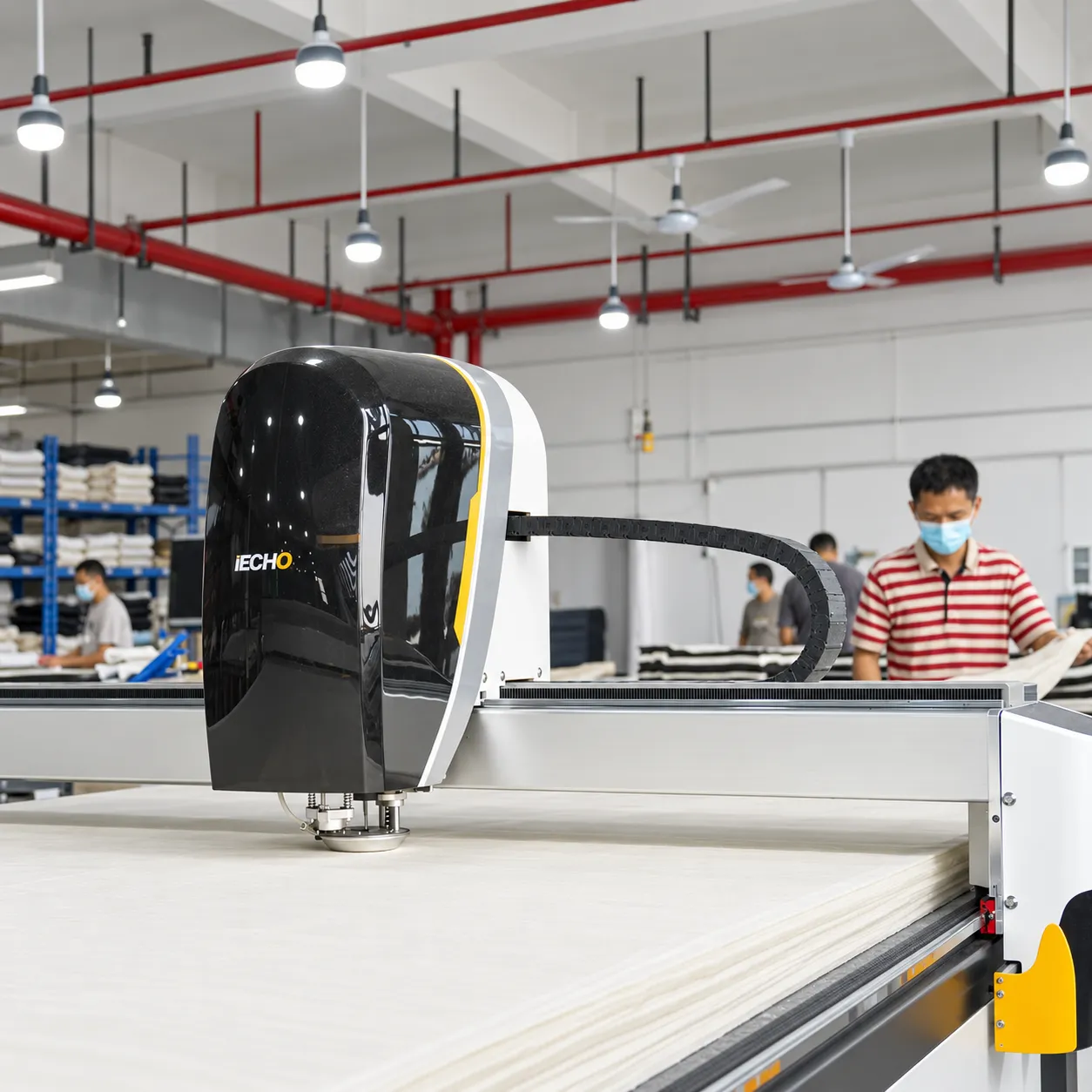
Production control. Marker direction, ply stability and cutting accuracy are reviewed by style. Sizes, garment parts and dye lots remain identified through bundling.
The seam must suit the fabric
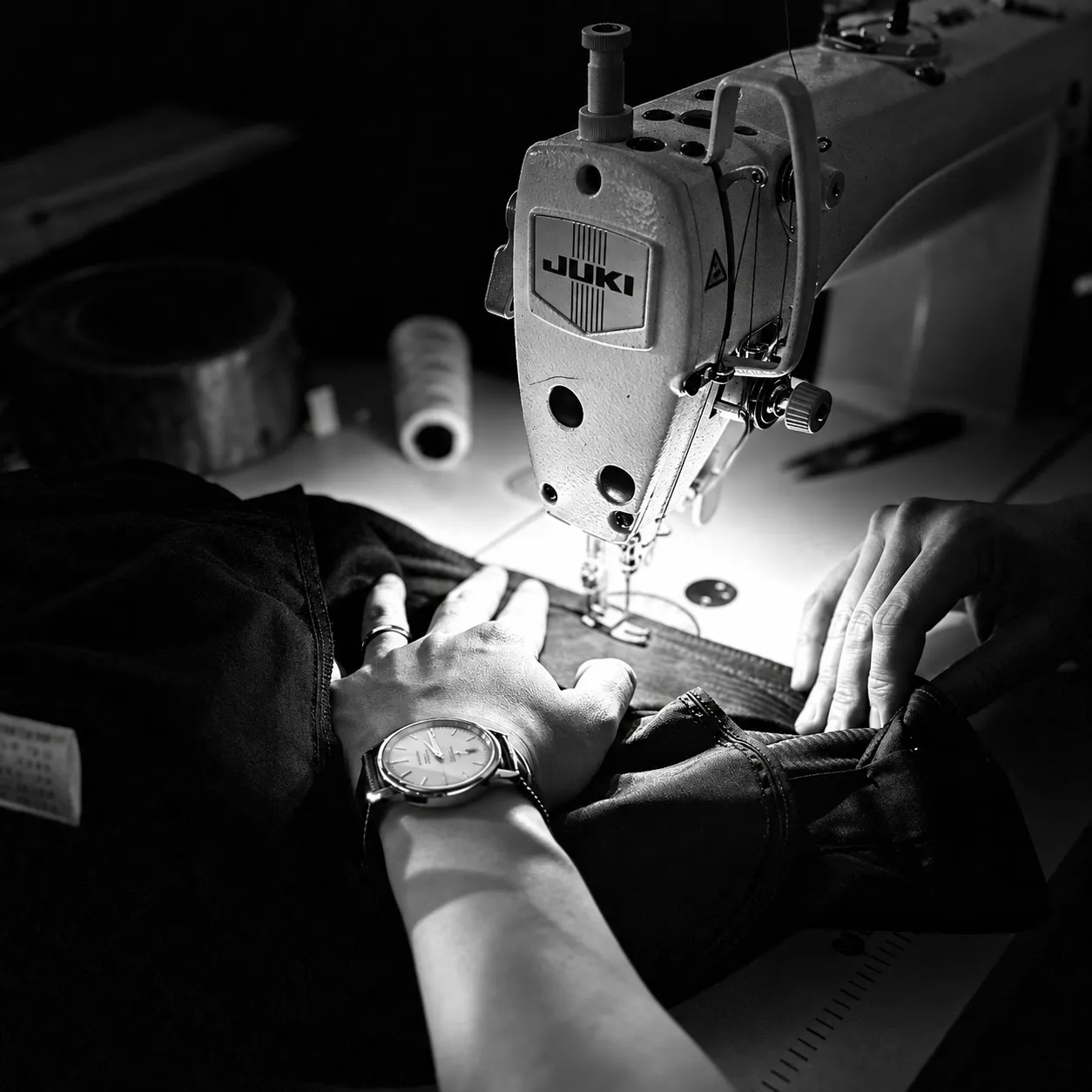
Buyer concern. Incorrect needles, thread tension or stitch density can cause puckering, skipped stitches, seam grin and fabric damage.
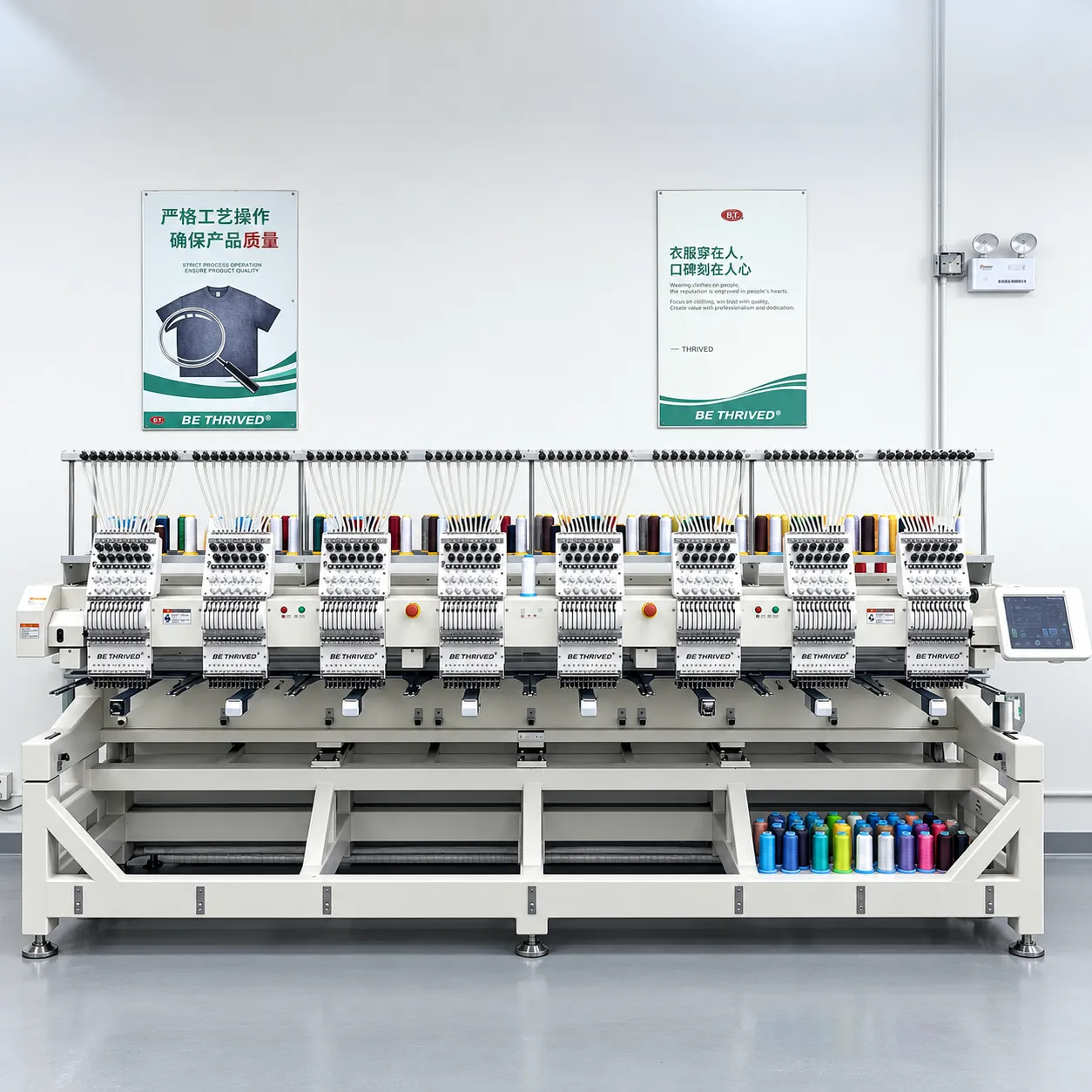
Production control. Needle, thread, stitch type, density and seam construction are selected around the material and intended use. Stress points and first-off pieces are checked before volume production.
Correct problems while production is running
Buyer concern. Approved details may be interpreted differently between operators, sizes and production days.
Production control. The sealed sample, operation instructions and critical quality points remain at line level. First-piece and in-line feedback identify drift before it reaches final inspection.
03 / Surface Development
Decoration is part of the material system.
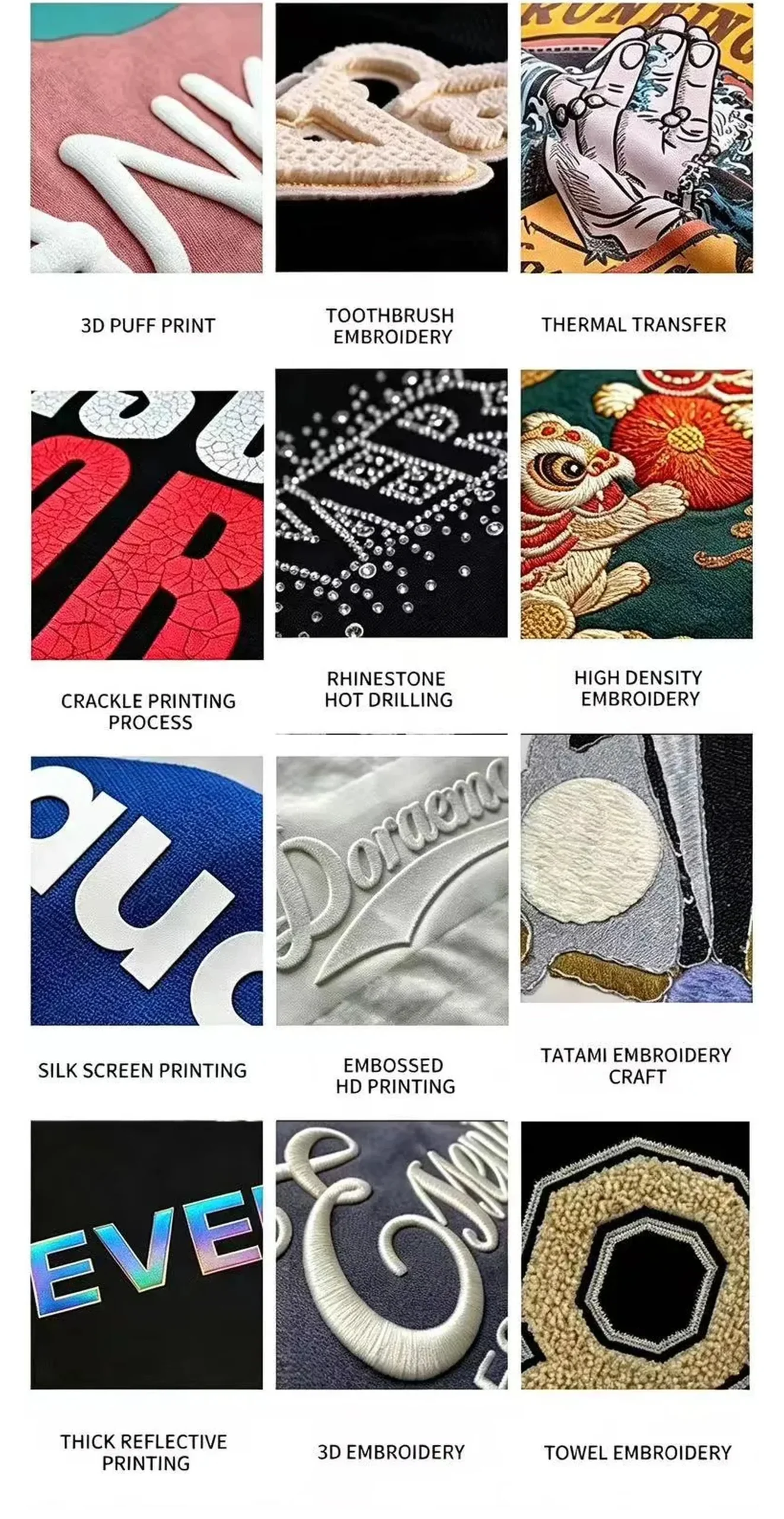
A logo technique should be chosen around the actual fabric, artwork detail, hand feel and expected use—not selected from a digital mock-up alone.
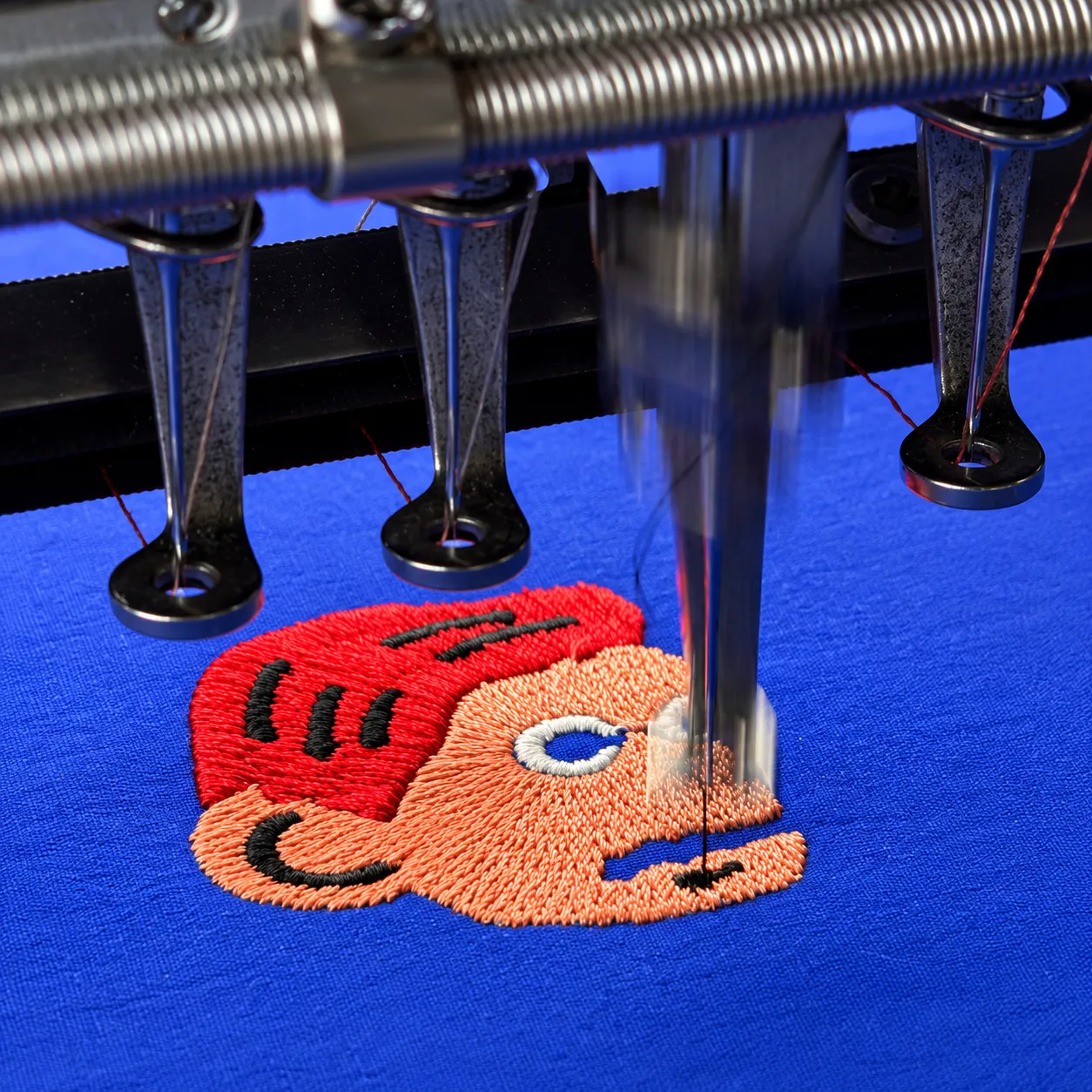
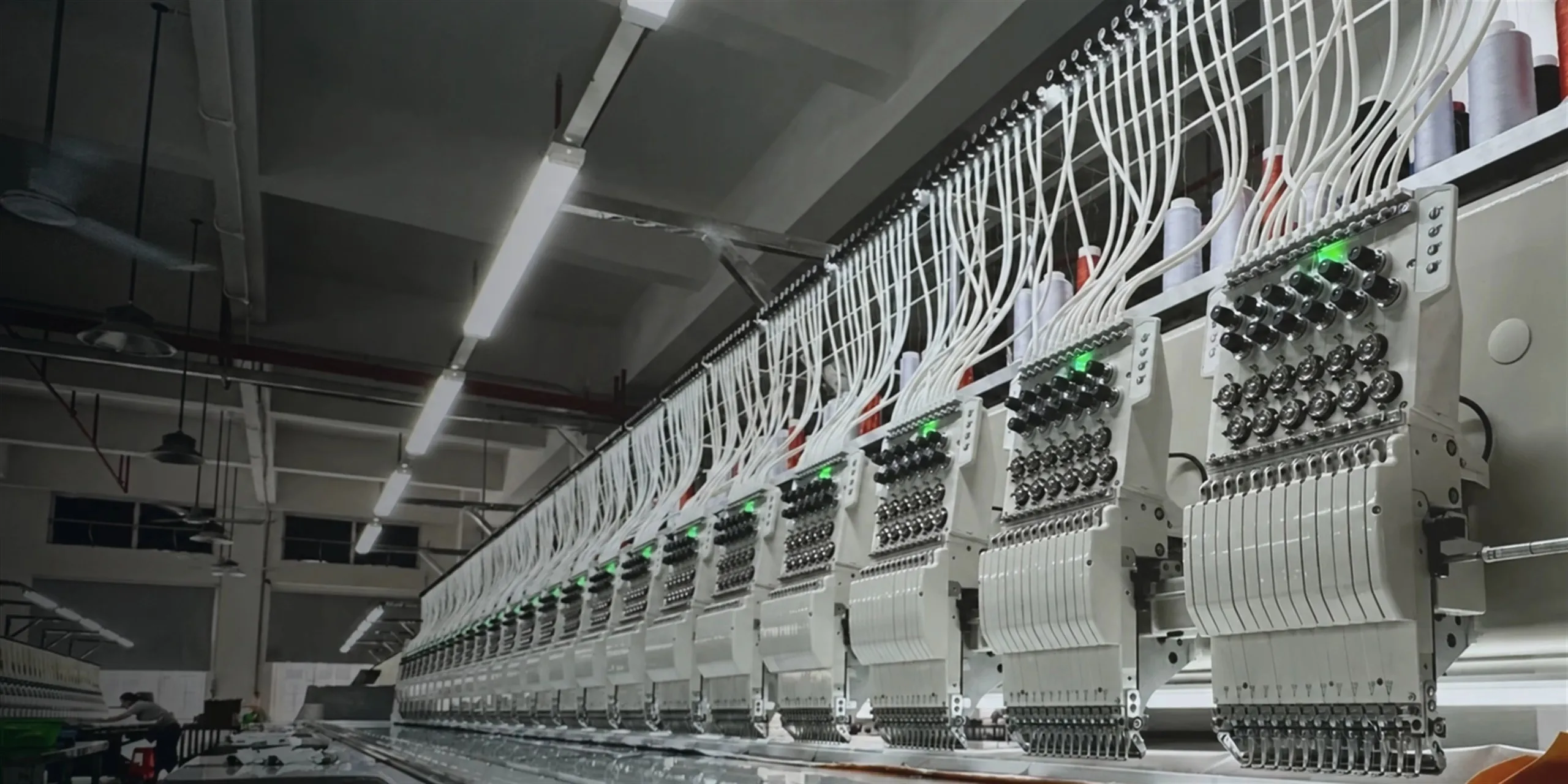
Embroidery begins with digitizing
Buyer concern. Excessive density can pucker fabric, close small lettering, distort placement and leave backing visible.
Production control. Stitch count, underlay, density, backing, thread and hooping are developed for the actual fabric. A physical strike-off confirms scale, color, placement and hand feel.
Select print technique by end result
Buyer concern. A finish may crack, peel, feel too heavy or lose fine artwork details after application and washing.
Production control. Screen print, puff, transfer, high-density, rhinestone and embroidery options are compared against fabric compatibility, artwork detail, quantity and wash expectations.
A render approves the idea. A strike-off approves production.
The physical approval should define technique, dimensions, placement, color and finished hand feel so the bulk result is compared with a real standard rather than a screen image.
04 / Бренд + Packing
Retail-ready means the last 5% is controlled too.
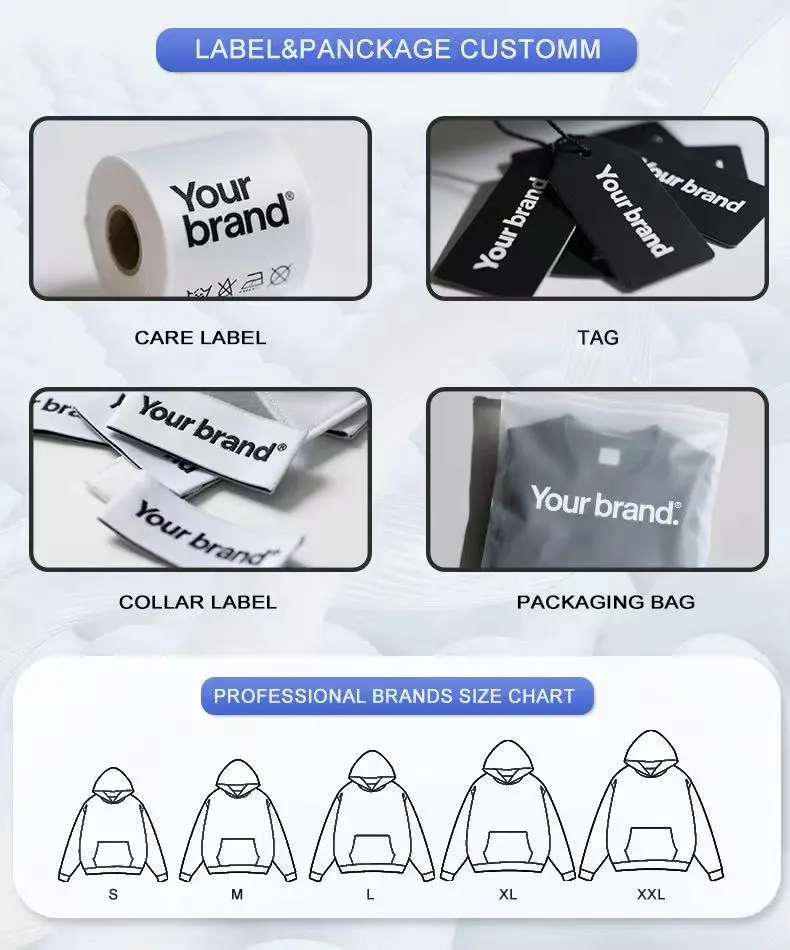
Labels and packaging affect compliance, warehouse receiving, fulfillment accuracy and the customer’s first impression. They should be approved as production components—not added as an afterthought.
- 01 Care label Buyer-approved content, symbols, language and fiber information.
- 02 Neck and size label произведение искусства, dimensions, folding method and garment placement.
- 03 Hangtag Print finish, attachment point, cord and sequence.
- 04 Packaging bag Material, dimensions, closure and required warning information.
- 05 Size and barcode data Correct SKU, color, size and buyer-supplied barcode information.
- 06 Carton assortment Quantity breakdown, carton marks and packing-list instructions.
01 / Material + Fit
Tell us your material and fit requirements.
02 / Резать + Строить + Repeat
Tell us your production requirements.
03 / Surface Development
Tell us your decoration requirements.
04 / Бренд + Packing
Tell us your branding and packaging requirements.
OEM / ODM Buyer FAQ
Clear answers before you place an order.
A reliable quotation should make product specifications, approval stages, costs, quality standards and responsibilities clear before materials and money are committed.
Send Your Project Details ↓01 What is the difference between your OEM and ODM service?
OEM is suitable when your product is already technically defined. You provide the tech pack, measurement chart, artwork, construction details and material requirements. Development and production follow these approved specifications.
ODM is suitable when part of the product still needs development. You may begin with sketches, reference garments, mood boards or a market brief. Ткань, строительство, fit and decoration options are then developed for your approval.
Before starting, both sides should confirm who supplies the pattern and artwork, what development work is included, who owns the final files and which approval releases the order for production.
02 Can you start if we do not have a complete tech pack?
Да. We can begin with clear reference photographs, sketches or a physical garment. However, the first quotation should be treated as an estimate until the main product details are confirmed.
- Front, back and construction references.
- Target fabric weight and hand feel.
- Fit direction and approximate measurements.
- Logo method, dimensions and placement.
- Estimated quantity by style and color.
- Packaging and destination market.
Missing information should be shown as an open decision instead of being silently assumed in the quotation.
03 How is the MOQ for a custom garment determined?
MOQ is not determined only by sewing capacity. It is frequently controlled by the minimum purchase or setup quantity for fabric dyeing, custom colors, rib, zippers, этикетки, печать, embroidery and packaging.
The real MOQ should be confirmed by style, color and customization method. A total order may appear large enough while each individual color is still below the material minimum.
Starting quantities may be reduced by using available fabrics, existing colors, shared trims, fewer colorways and standardized packaging.
04 What should be included in the quotation?
A unit price is only meaningful when the assumptions behind it are visible. The quotation should identify the fabric, обрезки, строительство, decoration positions, number of colors, этикетки, packaging and quantity breakdown used for pricing.
- Sample development and additional sample rounds.
- Custom fabric, screen or digitizing setup.
- Testing and third-party inspection.
- Special labeling and packaging.
- International freight and insurance.
- Import duties and destination clearance.
If the specification changes, the revised price should be confirmed before new materials or processes are ordered.
05 What determines sample time and the number of revisions?
Sampling time depends on more than sewing. Custom fabric, special dyeing, unique trims, pattern development and decoration strike-offs may each require a separate approval stage.
The number of revisions is mainly affected by how complete the first specification is and whether all buyer comments are consolidated into one clear file.
Every sample round should end with one dated comment document showing what is approved, what must change and which decisions remain open.
06 How do you prevent bulk production from differing from the approved sample?
A sample alone is not enough. The production standard should combine the physical sample with all approved technical information.
- Sealed pre-production sample.
- Confirmed bill of materials.
- Measurement chart and tolerances.
- Artwork dimensions and placement.
- Ткань, rib and color references.
- Label and packaging instructions.
First-piece and in-line checks identify production drift while correction is still possible. Any unavoidable substitution should be approved before it enters production.
07 How are fabric color, shrinkage and hand feel controlled?
Fabric approval should cover more than composition and weight. Depending on the product, buyers may need to confirm construction, usable width, ощущение руки, color, shrinkage, stretch, recovery, pilling and colorfastness.
Custom colors should be approved against a physical reference or lab dip under consistent lighting. Acceptable shade grouping and panel matching should be agreed before cutting.
Required testing should be identified before quotation because test methods and acceptance levels affect cost and schedule.
08 How are garment measurements and tolerances managed?
Every measurement should have a defined measurement point and method. Results may change depending on whether the garment is relaxed, stretched or measured after washing.
Tolerances should be assigned by measurement point rather than using one vague tolerance for the whole garment. Critical fit measurements normally require tighter control.
Pattern revisions, shrinkage allowance and grading rules must remain connected to the same approved measurement chart.
09 How should printing and embroidery be approved?
A digital mock-up approves the design direction, but it does not confirm how the decoration will behave on the actual fabric. A physical strike-off should be used for production approval.
- Artwork dimensions and placement.
- Color and thread references.
- Surface texture and hand feel.
- Embroidery density and backing.
- Stretch and wash performance.
- Acceptable bulk variation.
The technique should be selected around the fabric, artwork detail and intended use.
10 How can our artwork and brand information be protected?
If confidentiality is required, an NDA should be arranged before complete artwork, unreleased collections or commercially sensitive information are shared.
The agreement should define ownership of buyer-supplied artwork, newly developed patterns, samples, molds and production files.
Buyers should also confirm whether branded samples or finished products may be photographed or used publicly.
11 What inspections can be completed before shipment?
The inspection plan can include incoming material checks, first-piece approval, in-line inspection and final inspection. Checks should be based on the approved sample and written specifications.
Critical, major and minor defects should be defined before inspection. If an AQL-based or independent third-party inspection is required, it should be added before production begins.
If goods fail inspection, shipment should be held while affected units are identified, corrected and reinspected.
12 How are payment and international shipping confirmed?
The proforma invoice or purchase agreement should state the currency, payment stages, sample charges, production quantity, Incoterm, shipping point and included documents.
Production may require both the agreed payment and approval of the fabric, sample, artwork, этикетки и упаковка. Payment alone should not approve incomplete specifications.
Factory price, international freight, duties, taxes and destination clearance should be separated so each cost and responsibility is clear.
Still have questions about your product?
Send your reference images, tech pack, target quantity and delivery market. We will review the open production decisions first.