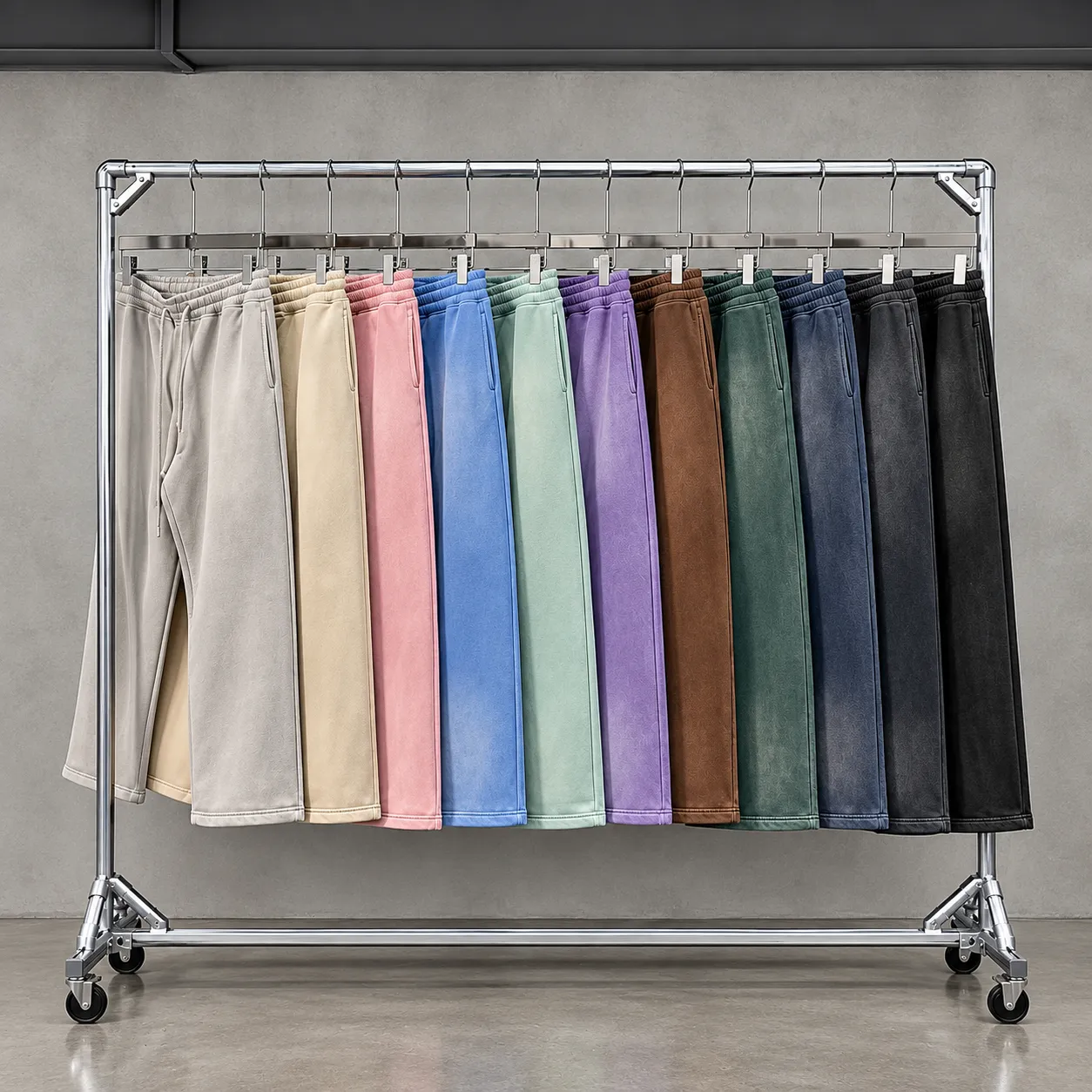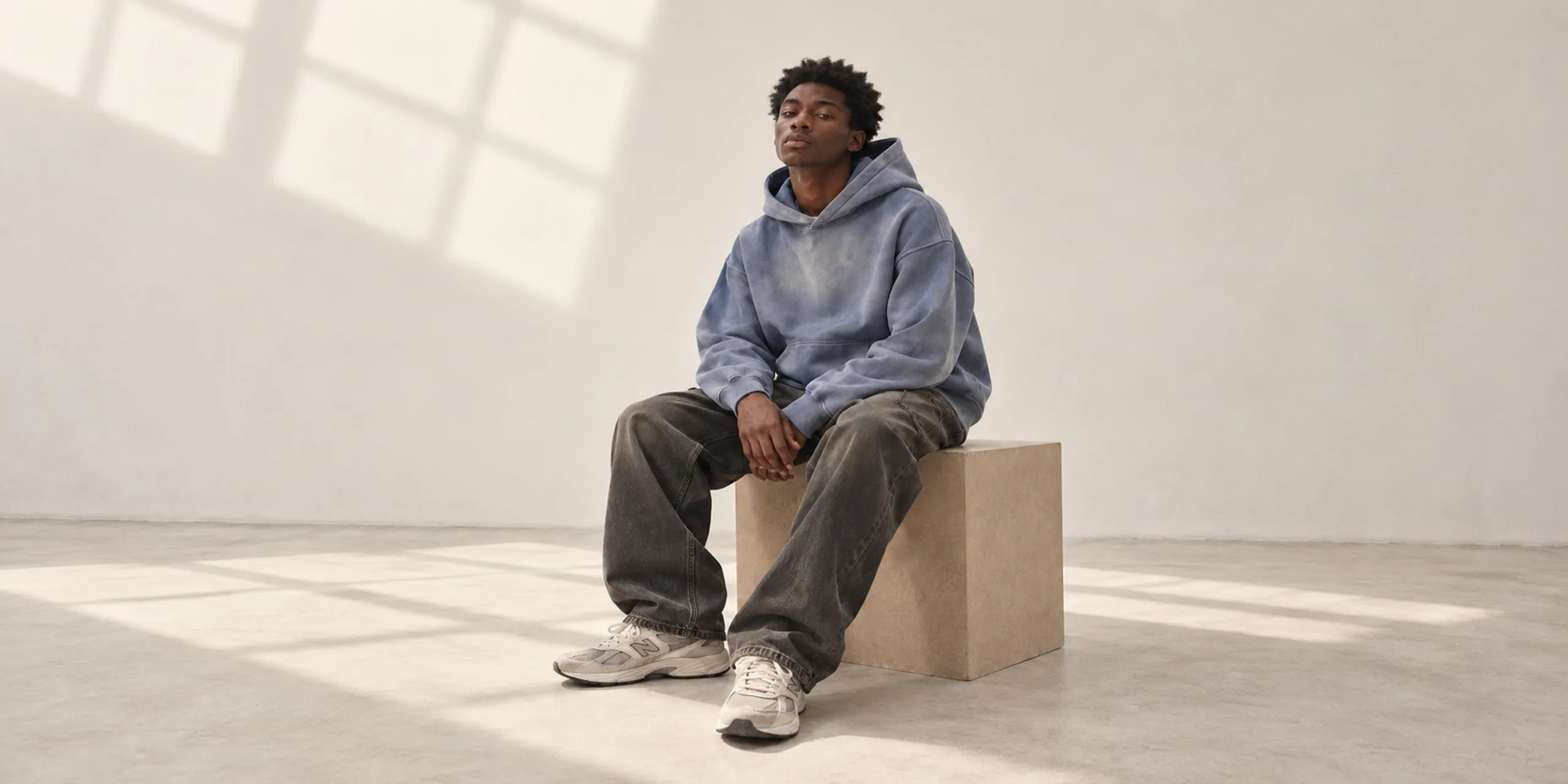
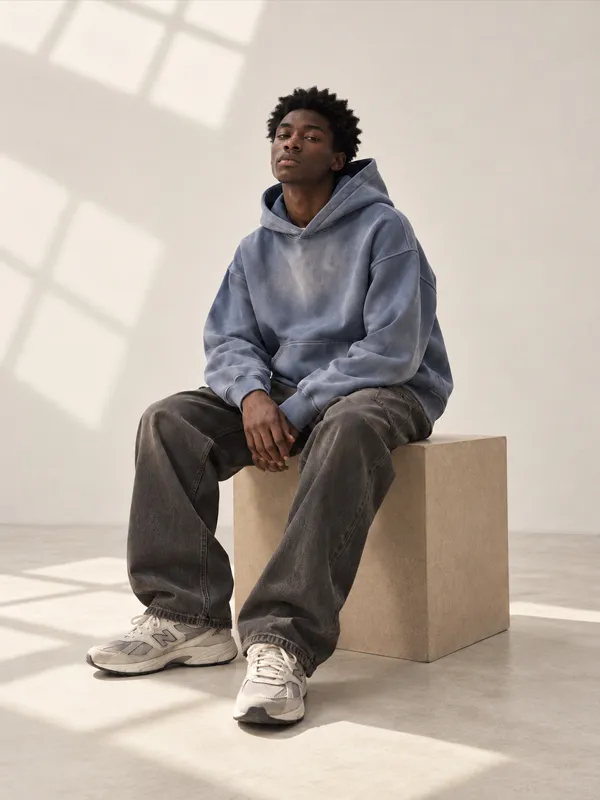
Private Label Clothing Manufacturer
Build your label. We build the manufacturing behind it.
Private label clothing manufacturing for brands that need more than basic production. From product development and sampling to low-MOQ manufacturing, quality control and repeat production, COUPE COUPE helps turn your brand direction into a production system ready to grow.
Private Label Project
Tell us what you want to build.
Share your product type, target quantity, reference designs, development stage or current manufacturing challenge. Our team will review your project and help determine the next practical step.
Private Label Development
Build the product first. Build the scale around what works.
Private label manufacturing is not simply placing a logo on a garment. We help brands develop the product, validate the first production run and create a clearer path toward repeat manufacturing.
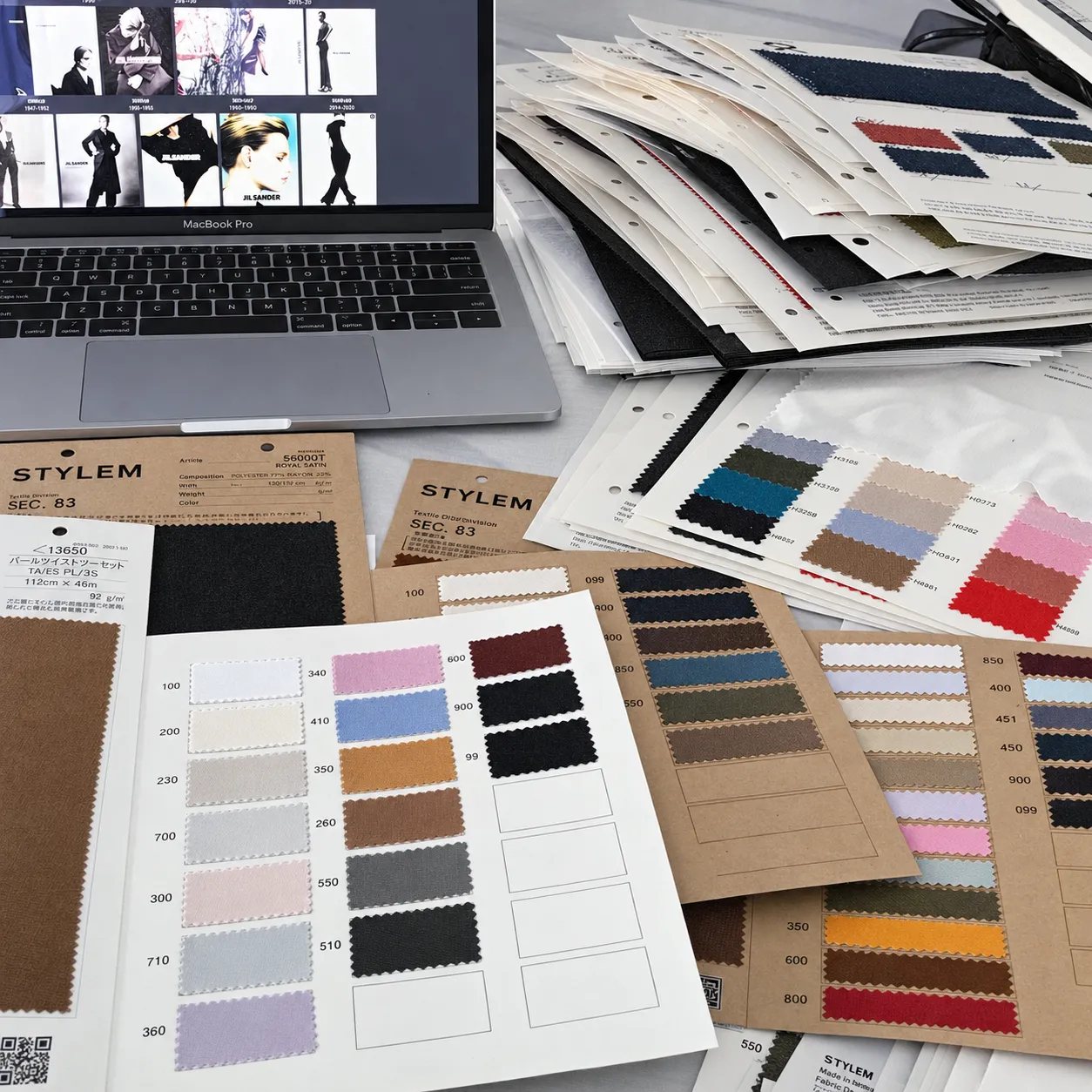
Start with a product that feels like your brand.
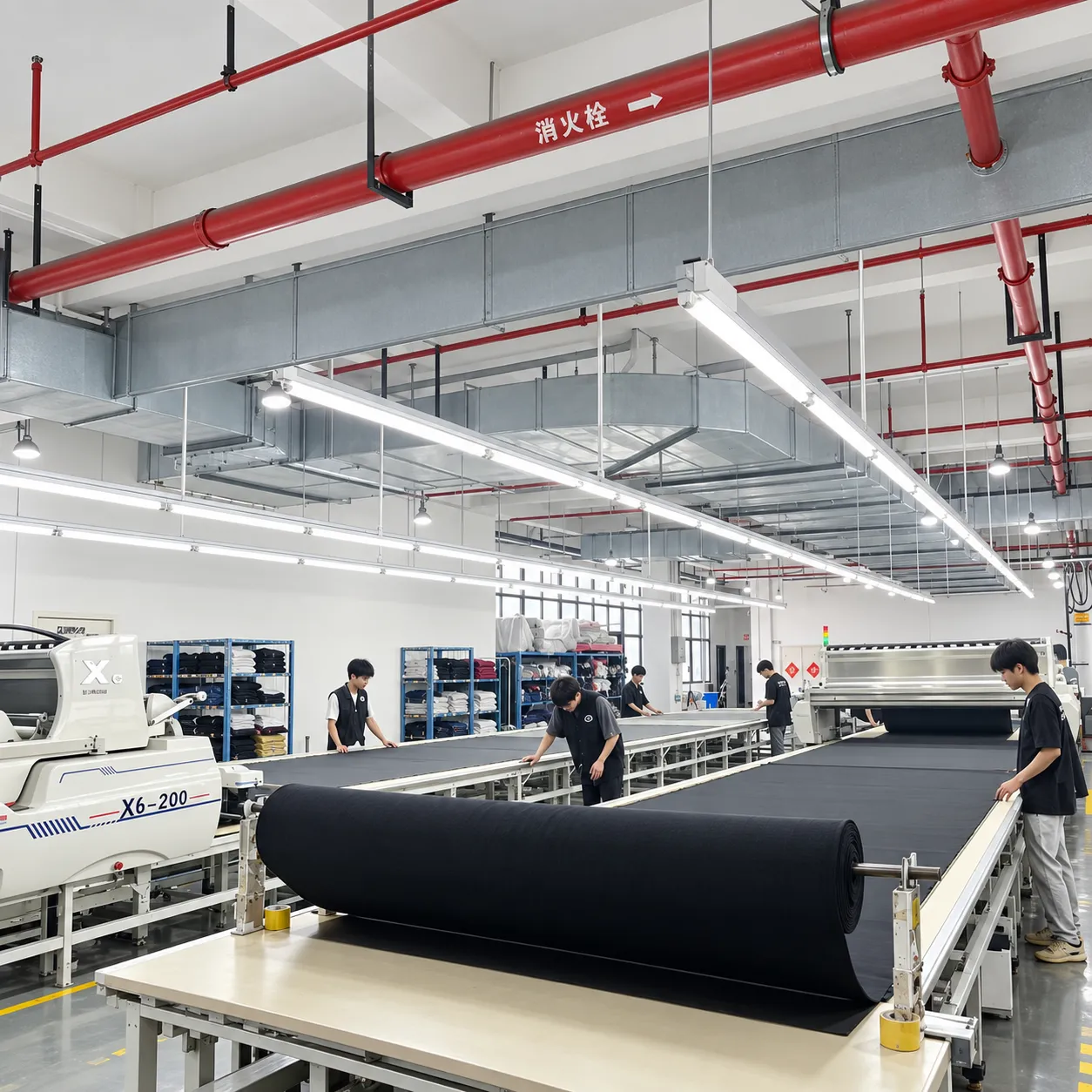
Develop carefully. Fix problems while they are still inexpensive.
Sampling is where fit, construction, material behavior and production feasibility should be resolved. We help identify issues before they become bulk-production problems.
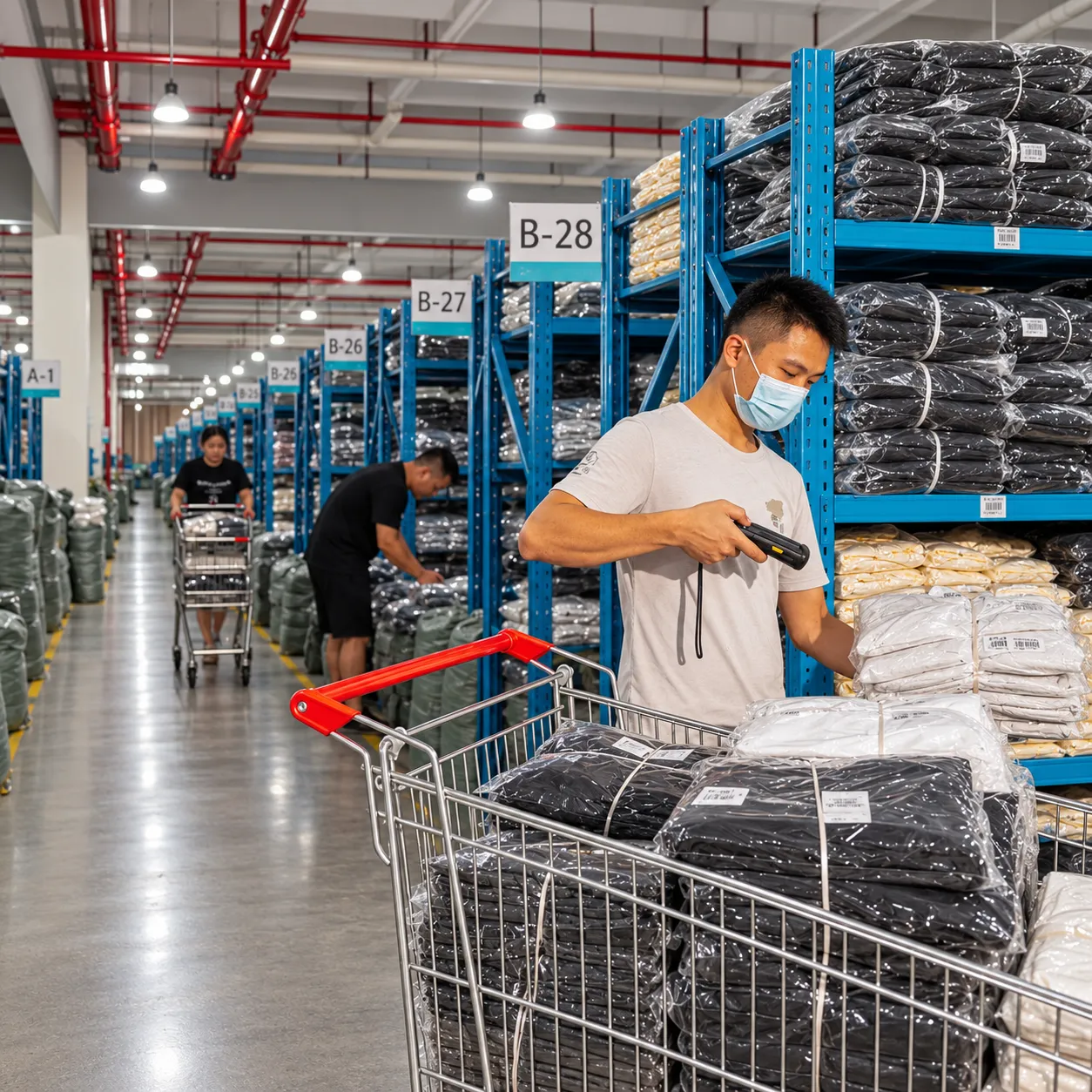
Fabric. Fit. Trims. Small decisions shape the final product.
We review the details that influence quality, production cost and how the garment ultimately feels. The goal is not to add more processes — it is to make the right ones matter.
More than production support. Six areas designed around the decisions early-stage brands have to get right.
Build with more control. Scale with fewer avoidable risks.
Product development, production quantity, cost structure and reorder planning should work together. Our role is to help emerging brands connect those decisions before more capital is committed.
Design & Product Development
Support with silhouette, fabric, sizing, trims, construction details and production feasibility.
Smaller First Production Runs
Validate demand with a more controlled first run instead of locking too much capital into inventory.
Sampling & Technical Review
Resolve fit, construction and material issues early before they become expensive bulk-production problems.
Flexible Production Planning
Plan quantities around budget, launch timing and realistic demand instead of forcing one fixed production path.
Cost & Risk Control
Identify unnecessary development cost, production risk and avoidable complexity before they reduce your margin.
Smarter Inventory Decisions
Use real product performance to guide reorders and scale successful styles instead of overproducing too early.
Start with control. Scale after the market gives you a reason.
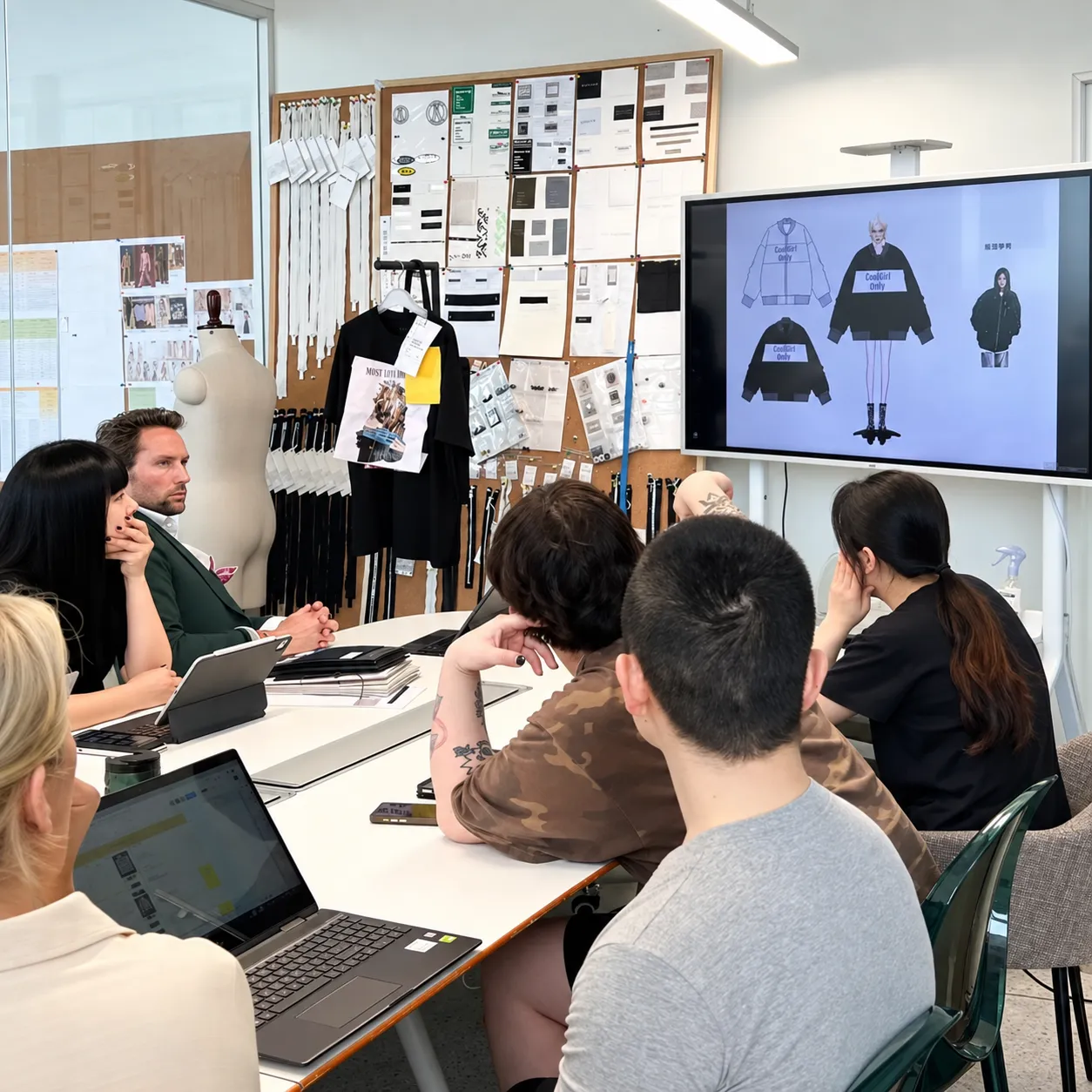
Manufacturing should grow with your brand — not ahead of it.
Whether you need full OEM/ODM development, ready-to-brand blank garments or support planning your first private label production run, choose the path that fits where your brand is today.
Private Label Project
Tell us what you want to develop.
Share your product type, target quantity, reference images, development stage or current manufacturing challenge.
Private Label FAQ
Before production starts, the right questions matter.
Private label clothing projects involve more than selecting a product and placing an order. These are some of the questions emerging fashion and streetwear brands usually need answered before moving from development into production.
The goal is to create a production plan that fits your product, budget and current stage of growth — rather than forcing every brand into the same process.
01 What MOQ can you offer for private label clothing?
MOQ depends on the garment, fabric, color requirements, custom dyeing, printing, embroidery and construction complexity. For emerging brands, we look for a lower-MOQ production route that is technically realistic without creating unnecessary cost or quality problems.
02 What is the difference between private label, OEM / ODM and blank wholesale?
Blank wholesale is the fastest route when you want ready-developed garments that can be branded or decorated. Private label usually involves more customization of branding, materials, fit or details. OEM / ODM manufacturing is better suited to brands developing more original products, specifications or collections.
03 Can you help if our design is not fully production-ready?
Yes. Many early-stage brands arrive with moodboards, reference garments, sketches or incomplete technical information rather than a finished production package. We can review silhouette, construction, fabric, trims and production feasibility before sampling so obvious problems can be resolved earlier.
04 What happens if the first sample is not right?
A sample is part of the development process, not a guarantee that every detail will be correct on the first attempt. Fit, proportion, fabric behavior, construction and finishing should be reviewed before bulk production. Necessary revisions can then be confirmed before the style moves forward.
05 How do you help control development and production costs?
Cost control starts before bulk production. We look at fabric choice, construction complexity, trims, decoration methods, sample revisions and production quantity to identify where cost is necessary and where complexity may be adding expense without adding enough product value.
06 How can a new brand reduce inventory risk?
One approach is to avoid treating the first production order as the final scale of the product. Lower initial quantities can help validate demand. Real sales performance can then guide which styles deserve deeper inventory and which should not receive additional capital.
07 Can production scale if one of our products starts selling well?
Yes. The purpose of controlled first production is not to keep quantities small forever. Once product demand becomes clearer, repeat production can be planned around successful styles, existing specifications and actual reorder needs, creating a more structured path toward scale.
08 What information should we prepare before requesting a quote?
The most useful starting information includes product type, reference images or tech packs, estimated quantity, fabric or weight preferences, branding requirements, target market and expected launch timing. If some of this is still undecided, send what you already have and explain your current development stage.