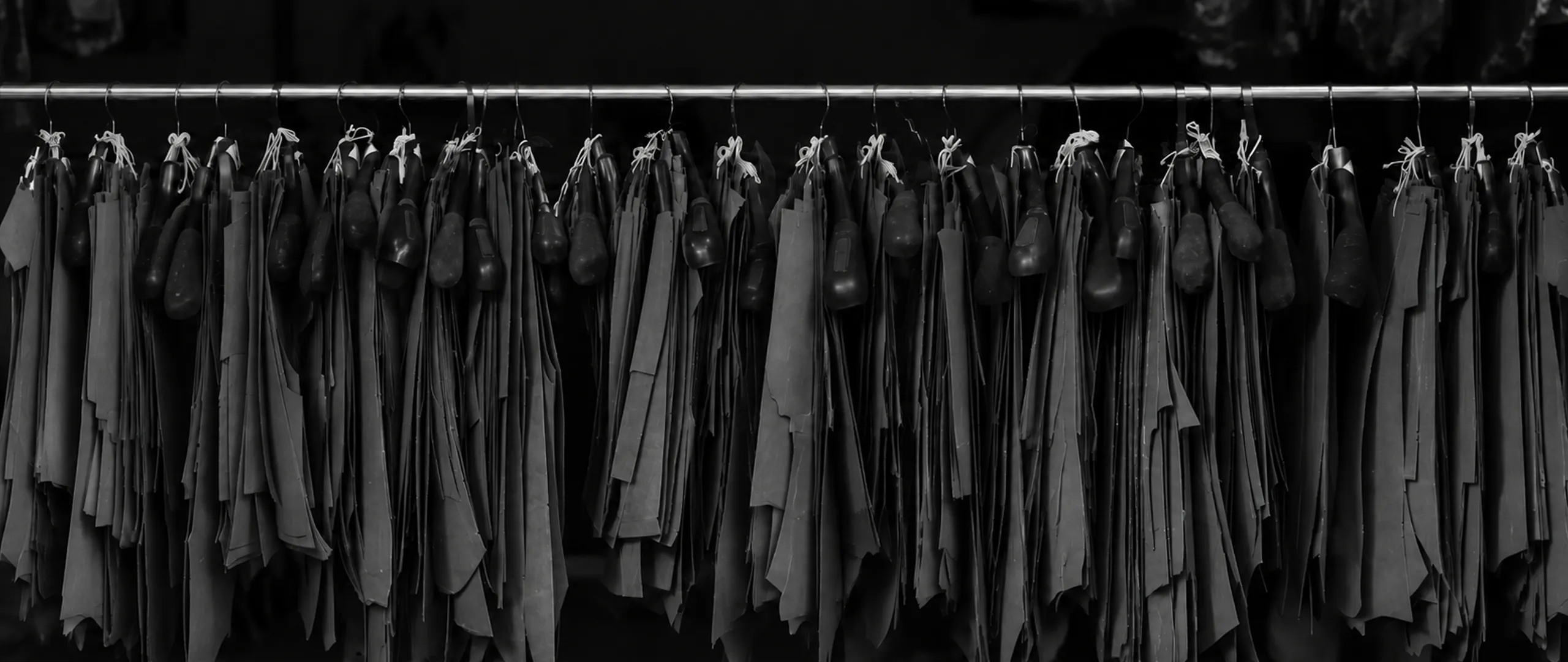
Coupe Coupe / Cut & Sew Customize
Cut. Sew.
Make it yours.
Build a garment around your actual design—not a generic blank. Define fabric and fit, approve the sample, then confirm the details before production.
Cut & Sew Customize
Custom cut and sew clothing.
Your product, properly defined.
A distinctive garment starts with decisions about fabric, shape and construction. When choosing a cut and sew clothing manufacturer, make those details part of the development brief. Bring your tech pack, sketches or reference pieces; use the steps below to identify what needs approval before you commit to bulk production.
01 / Design & fit
A clear brief prevents expensive revisions.
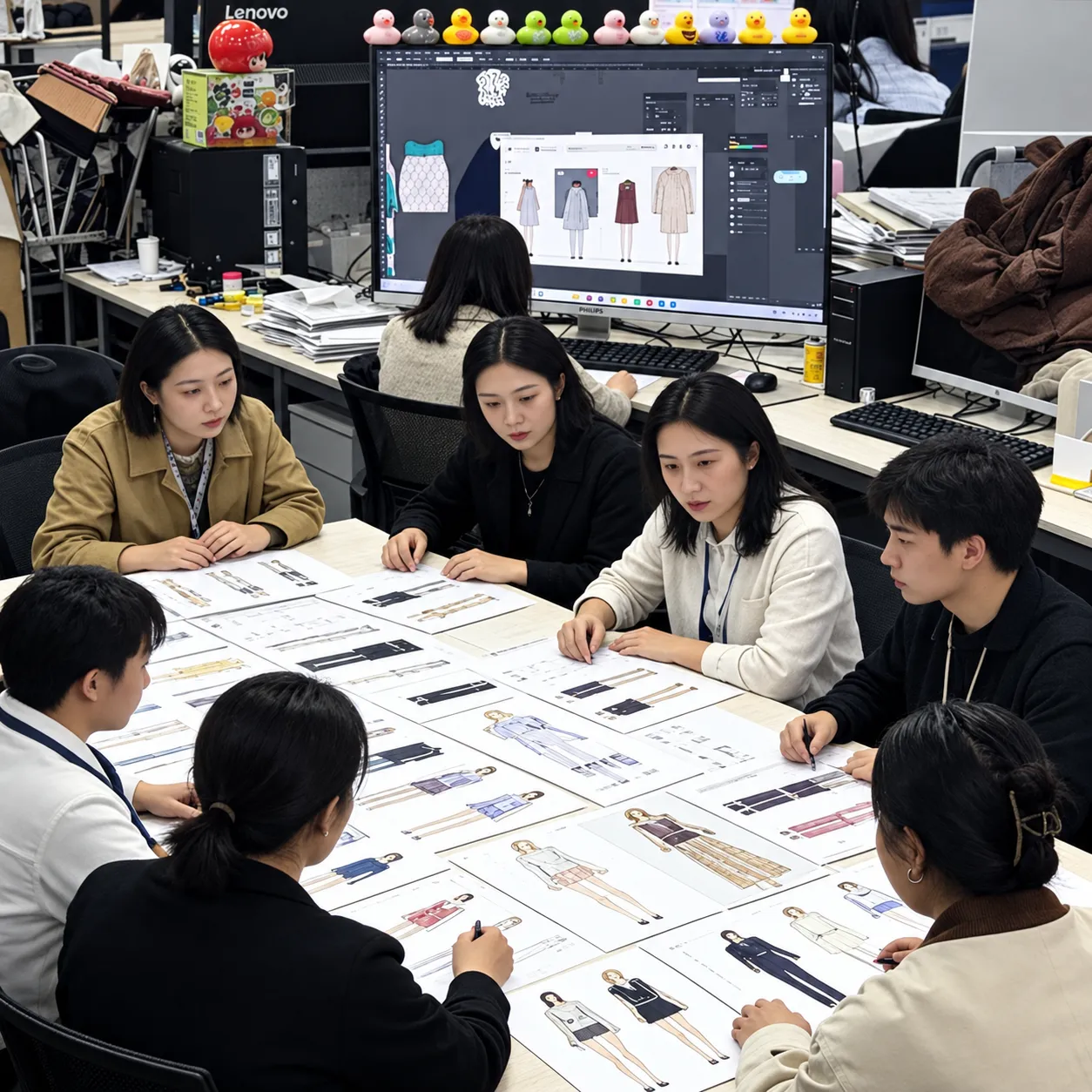
For custom cut and sew clothing, an attractive reference image is only the starting point. The development brief also needs to explain how the garment should fit, feel and perform for your customer.
- Define the silhouette.
- Specify body length, chest width, shoulder drop, sleeve shape and the intended size range. “Oversized” needs measurements; two oversized fits can look completely different.
- Separate fixed details from open decisions.
- Mark what must stay: a pocket position, hood shape, seam line or signature wash. Flag where you want help, so development work and costs can be agreed before sampling.
- Keep one approved version.
- Record sample comments against the same measurement chart and artwork files. Confirm who owns the pattern and original design files before work begins.
02 / Fabric & hand feel
Choose fabric for the way it will be worn.
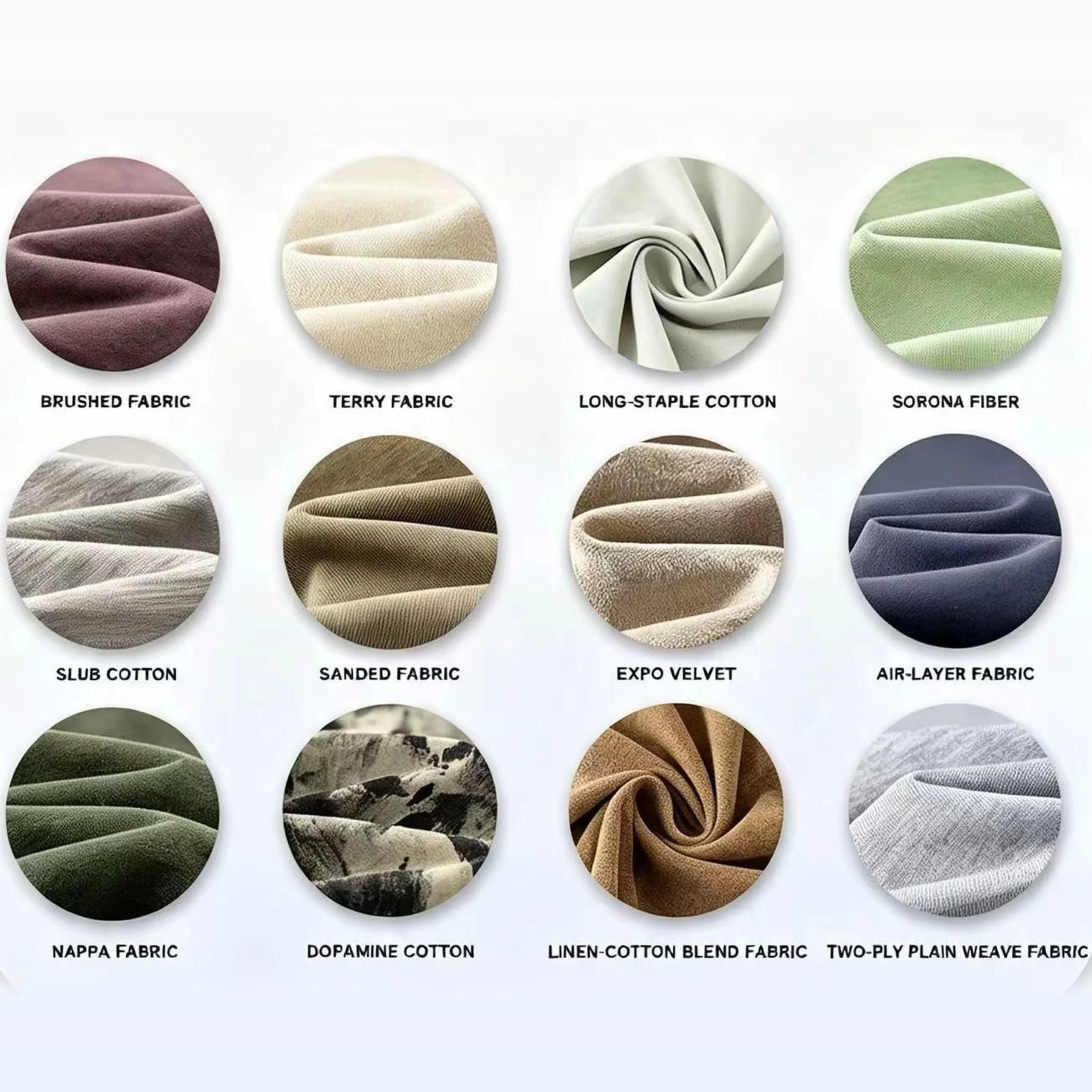
Fabric weight is one part of the specification. Two materials with the same GSM can differ in structure, softness, opacity and recovery. For private label cut and sew clothing, approve the material together with the fit and finish.
- Composition, construction and finish.
- Compare cotton or blends, terry or brushed backing, and the required surface finish. The chart shows reference directions; availability and fiber composition need confirmation for your order.
- Performance after washing.
- Agree the wash method and acceptable dimensional change, pilling and colorfastness before selecting tests. Keep an approved swatch or sample as the comparison standard.
- Rib, shade and small-order feasibility.
- Check cuff and waistband recovery alongside the body fabric. Stock shades and custom dyeing can have different minimums, costs and schedules.
03 / Product development
Build the right shape for your collection.
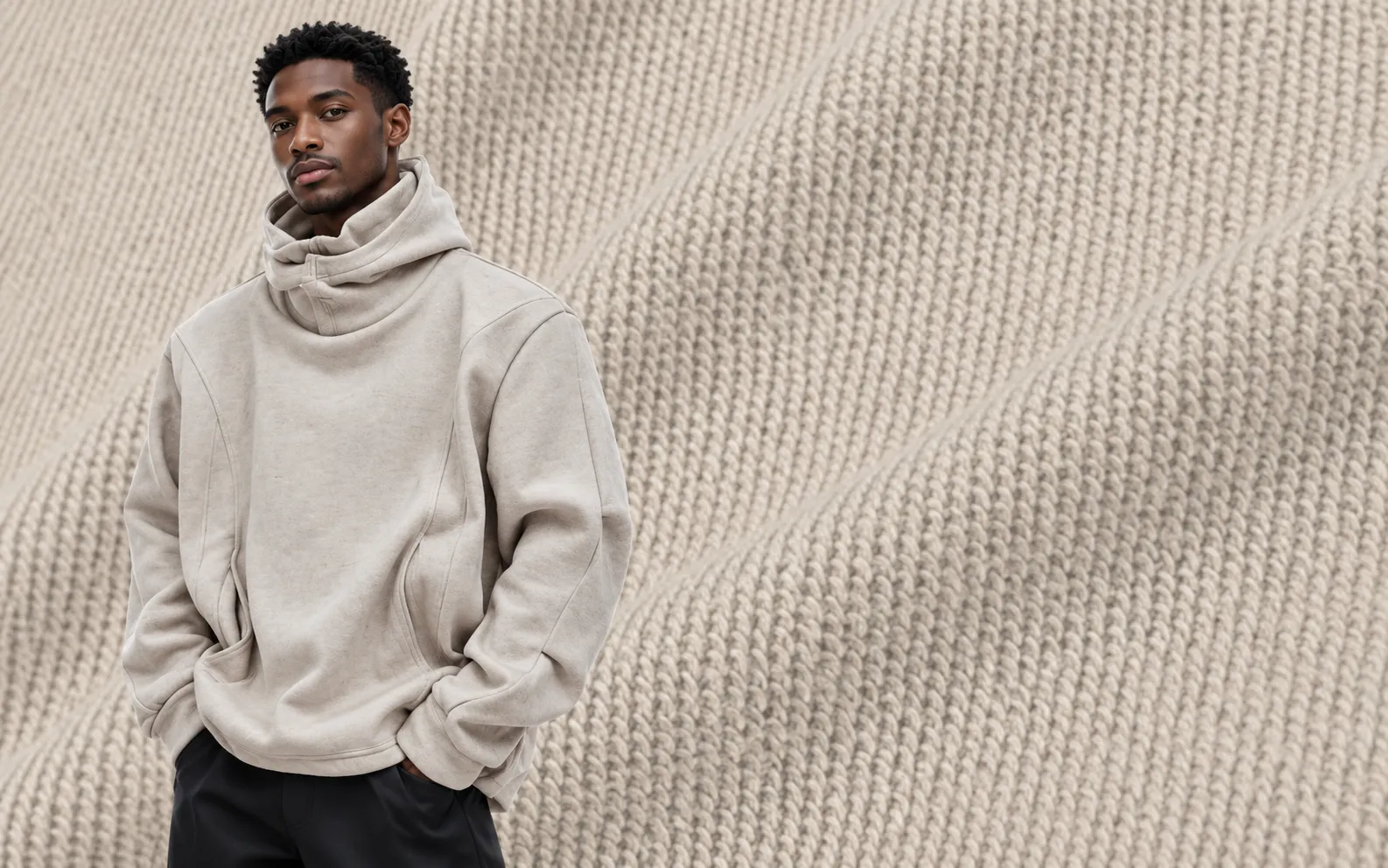
Use the references below to discuss fit and material direction. Your approved measurements, fabric and sample define the product to be made.
Custom cut and sew hoodies & sweatshirts
For heavyweight hoodies, French terry sweatshirts or a structured oversized fit, consider how fabric and pattern work together. Hood volume, neck opening, pocket position and rib tension all affect comfort and balance.
Include in your brief: target GSM, desired body length, pullover or zip construction, decoration placement and a reference for the hand feel.
Custom cut and sew T-shirts
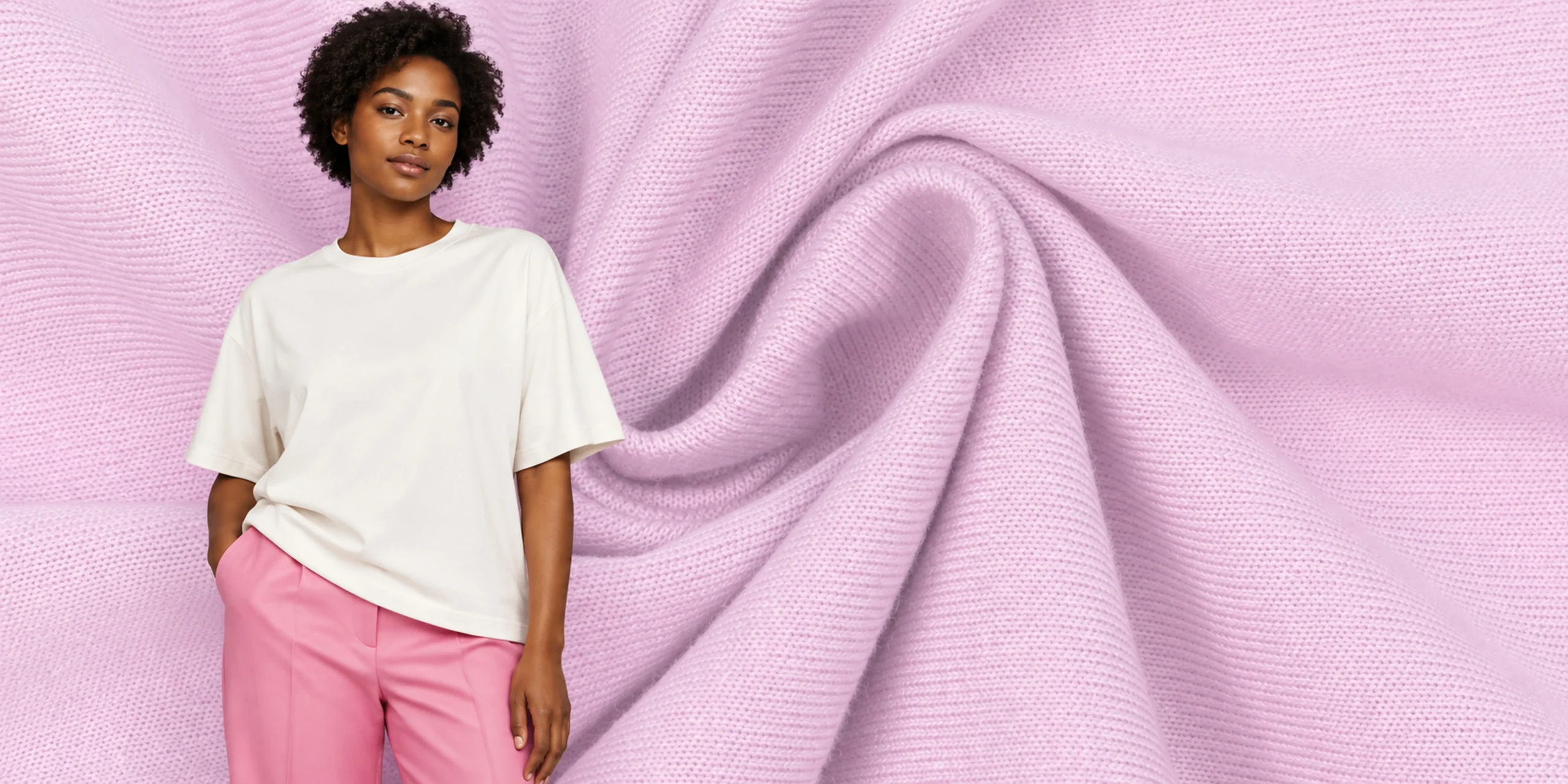
A boxy tee, cropped shape or relaxed unisex fit needs more than a size label. Set the chest-to-length balance, shoulder drop, sleeve opening and neckline recovery, then assess the sample before and after washing.
Include in your brief: fabric weight and opacity, size measurements, neck rib details, print or embroidery artwork, and the intended retail market.
04 / Sample to bulk
Approve the sample.
Then control the repeat.
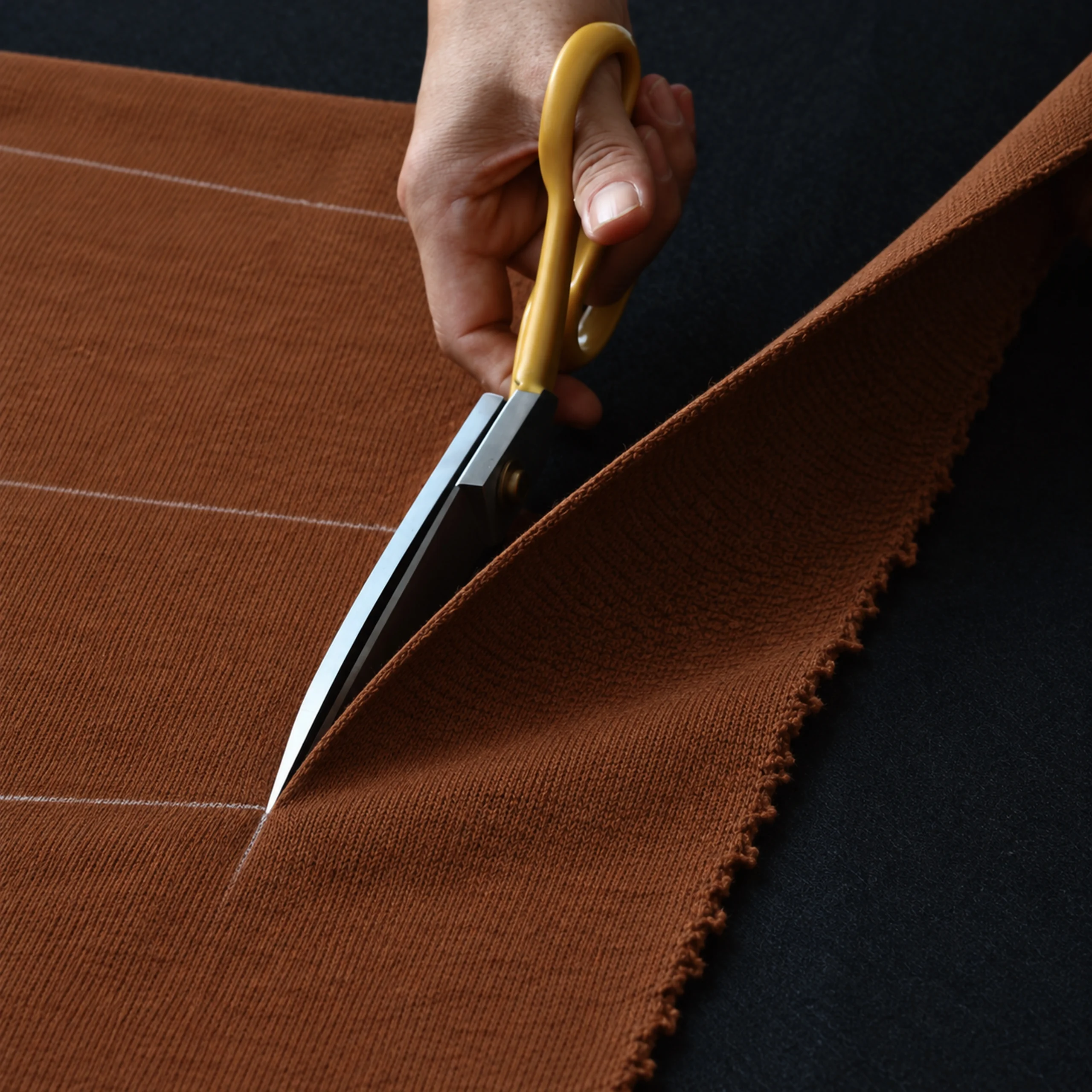
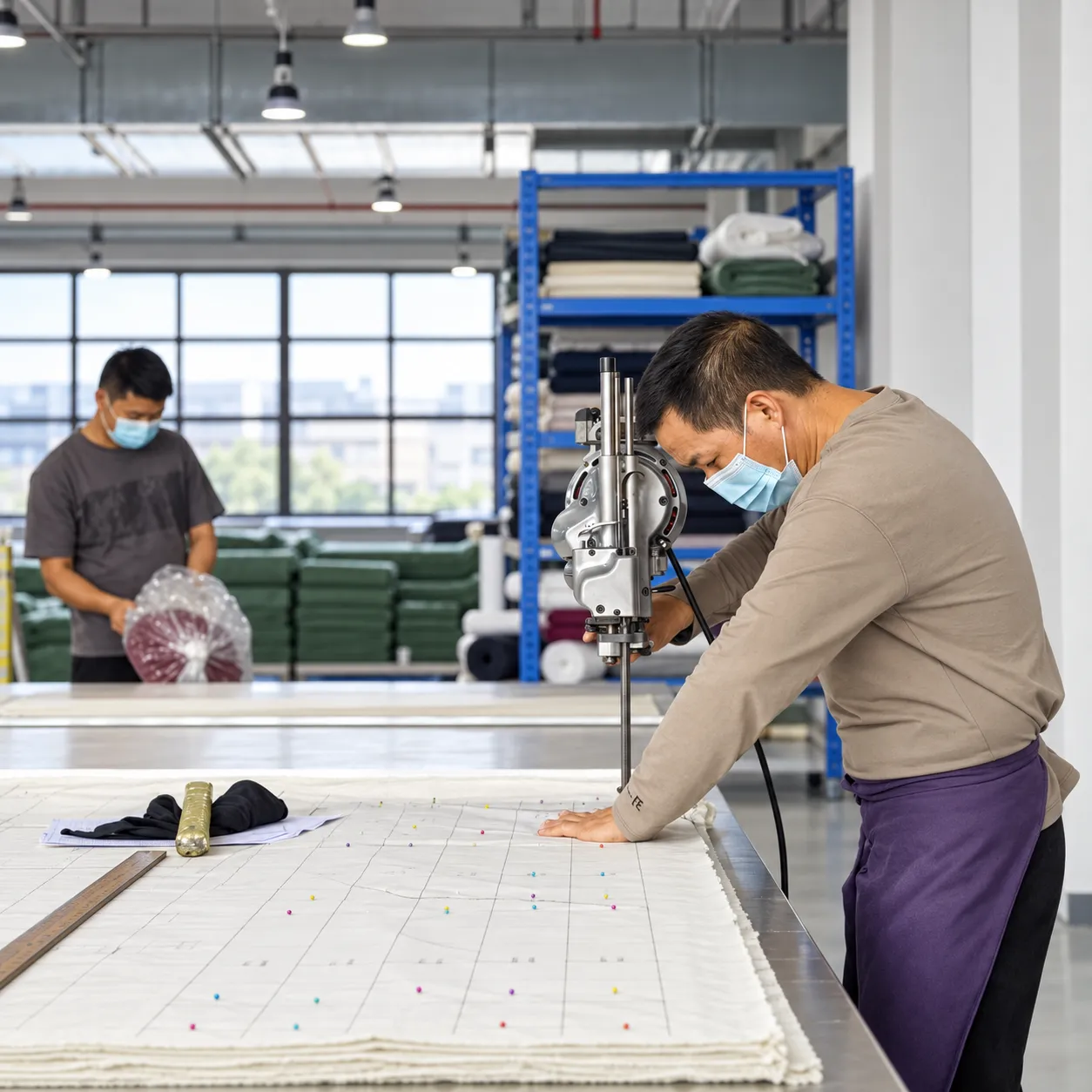
Cut and sew manufacturing brings several variables together: fabric relaxation, shrinkage allowance, grain direction, seam construction and size grading. A signed-off sample needs a matching production specification.
Before cutting, align the pattern version, fabric lot and measurement chart. Before shipment, assess finished garments against the agreed tolerances and inspection criteria. Any material substitution or construction change should go back through approval.
- 01 Sample approval Record fit, construction, material and decoration comments in one revision.
- 02 Size confirmation Agree grading, measurement points and acceptable tolerances for the size range.
- 03 Production checks Specify checks for measurements, seams, shade and artwork placement.
- 04 Shipment review Confirm inspection results, labels, packing quantities and shipping documents.
Buyer questions
Clear answers before you commit.
Can I start without a complete tech pack?
You can start the discussion with sketches, a reference garment, target quantities and your intended market. Identify the measurements and details that are still undecided. Before pattern making or sampling is commissioned, agree the development scope, costs, file ownership and approval steps so that assumptions do not become unexpected charges.
What is the difference between cut and sew and customizing a blank?
Cut and sew starts with fabric and a garment pattern, giving you control over shape, measurements and construction. Customizing a blank starts with an existing garment and typically focuses on decoration or branding. If you need support developing the design itself, review the OEM and ODM manufacturing options before selecting a route.
Is a small first order possible for my clothing brand?
Feasibility depends on the combination of fabric, color, style and decoration. Stock materials may reduce some minimums, while custom dyeing or trims can add separate requirements. Share quantities by style, color and size, then request a written minimum and price for that exact specification. Confirm reorder availability if continuity matters to your collection.
How do I reduce differences between the sample and bulk order?
Approve the sample together with a dated measurement chart, material references, artwork and construction notes. Define tolerances and an inspection plan before bulk work begins. Where size grading matters, agree how it will be checked. A physical sample helps assess appearance and feel; the written specification makes measurements and permitted variation clear.
Can I change the fabric after the fit sample is approved?
A material change can affect drape, stretch, shrinkage and seam behavior even when the GSM is similar. Treat the change as a new approval decision: confirm the revised fabric, check its effect on fit and decide whether another sample or wash test is needed. Update the quotation and schedule before authorizing production.
How should I protect my artwork and original patterns?
Agree confidentiality, permitted use and ownership in writing before sharing sensitive files. Clarify whether pattern development charges include ownership or access to editable files, and whether designs may be photographed or displayed. Keep dated copies of approved artwork and revisions. These terms should be explicit in your supplier agreement rather than assumed from a sample payment.