A useful clothing sample answers specific questions about the product. Before requesting one, decide whether you are checking fit, fabric, decoration, construction or the complete production specification. Without that focus, revisions can repeat the same discussion.
Download the clothing sample brief and approval checklist (PDF, 2 pages). Use the worksheet to record the style, sample purpose, material decisions, revision comments and approval status alongside your current specification.
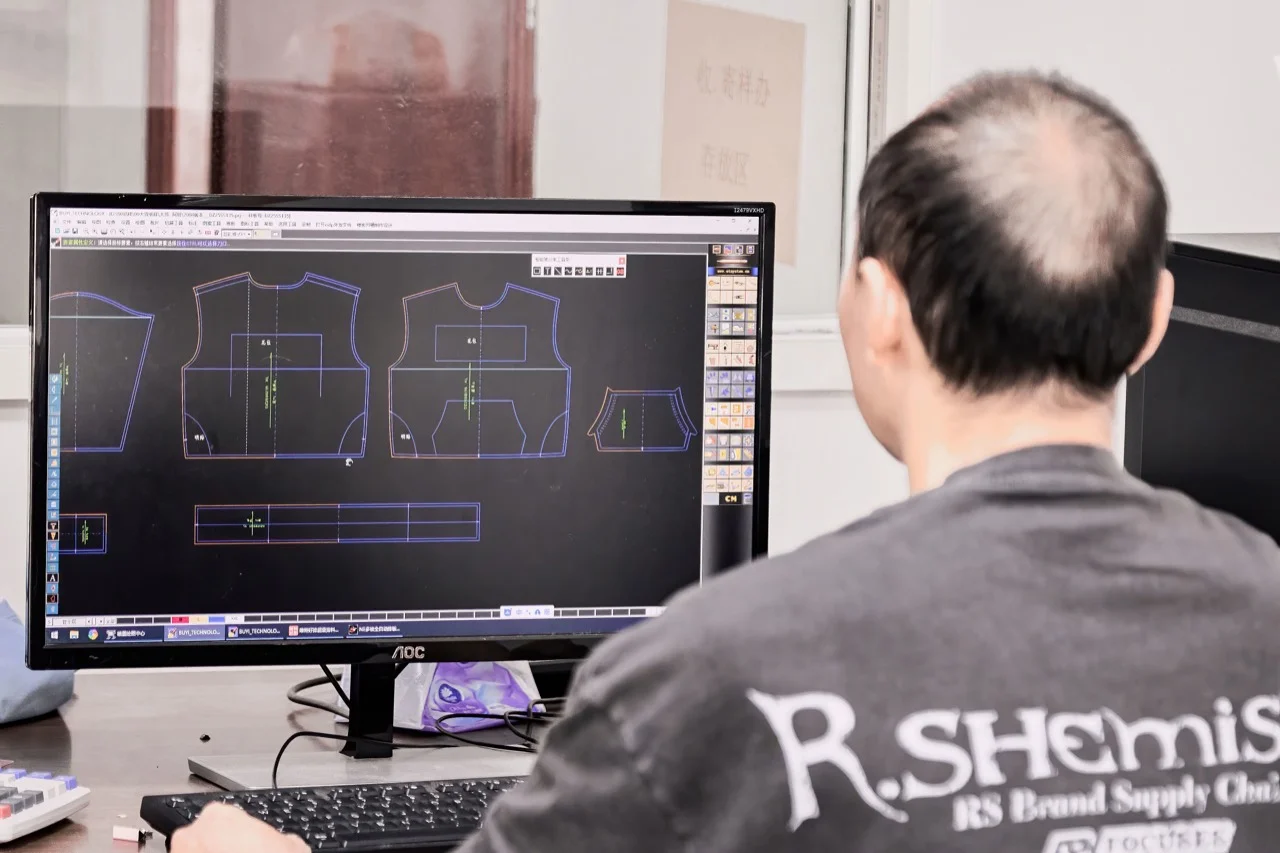
Explain the purpose of the sample
A fit sample can test proportions while some final materials are still being sourced. A decorated sample can test artwork scale and finish. A pre-production sample should reflect the details agreed for bulk production. Ask which materials and processes will be final and which are substitutes, and record that distinction before approving anything.
Prepare a brief that another person can follow
- Garment type and intended customer.
- Front and back drawings or clear reference images.
- Measurement table, measurement method and sample size.
- Fabric composition, weight and finish requirements, where known.
- Construction details, trims and label locations.
- Artwork files, dimensions, colors and placement references.
- Proposed order quantity, size breakdown and delivery destination.
Mark undecided details as questions. If the fabric is not selected, describe the required feel, weight range or use and ask for options. Do not turn an uncertain preference into a fixed specification just to complete a template.
Keep references consistent
Different images may show different features. Annotate which one defines the fit, which shows the pocket and which is only a color reference. Confirm that you have permission to use supplied logos and artwork. Reference products can explain a direction, but the supplier still needs instructions for your own garment.
Agree on how revisions will be handled
Use one current specification file and number each revision. Put changes in a short table: issue, location, requested adjustment and approval status. If body length changes, state the measurement and units. Ask how further revisions affect the quotation and schedule before proceeding.
Inspect the physical sample
Measure it using the agreed method. Check appearance, construction, movement, decoration and labels. Record any agreed wash or wear checks. Review critical measurements against the agreed tolerances rather than deciding only from photographs. Keep the approved sample and final specification identifiable for production reference.
Separate sample approval from production authorization
Before bulk production, confirm the final quantity, colours, size breakdown, materials and packaging. Resolve substitutions in writing. The selected garment and development scope determine the applicable order requirements. Sample cost, production minimum and timing must be confirmed in the project quotation; catalogue availability does not authorize production.
Keep one sample approval record
For each sample round, record the style code, sample size, revision date and the specification version used. For every comment, write the measurement point or construction detail, the observed result, the requested change and whether it is approved or still open. Attach photographs where they clarify the issue.
If you are starting from an existing T-shirt, use the fit, fabric and branding checklist. For a new garment specification, review the OEM and ODM production process before requesting the next sample.
Read about cut-and-sew customization and OEM and ODM development. To begin, send your design brief with the decisions you have made and the questions still open.
Leave a Reply