The right production route depends on what you need to change. A logo on an existing hoodie, a private neck label and a newly developed hoodie pattern are different requests. Defining those differences makes a supplier discussion more useful.
Blank wholesale: start with an existing garment
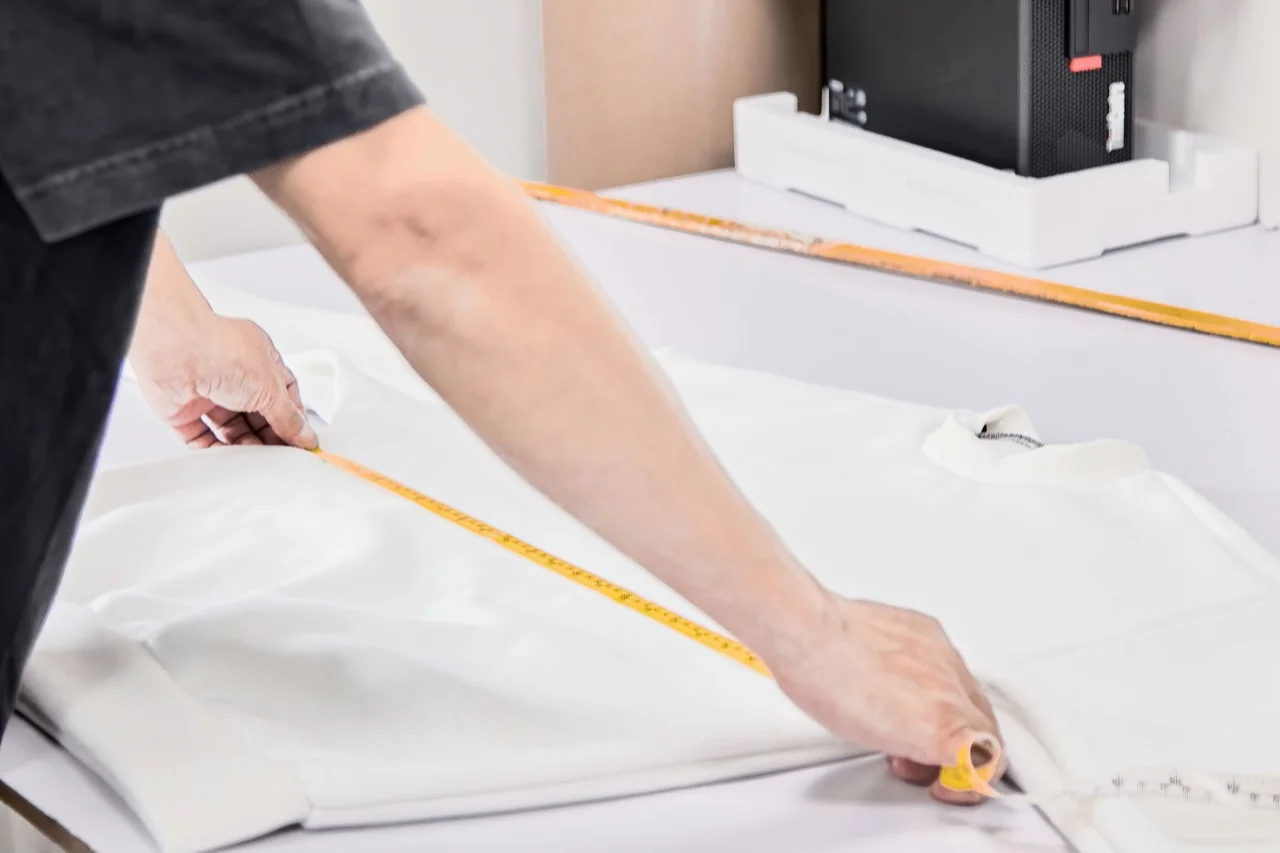
A blank has an established fit, fabric and construction. You select from available products instead of developing those features from scratch. Check the actual product measurements, available colors and composition before choosing. A product photograph cannot tell you its exact weight, shrinkage or fit on your customer.
This route suits brands using an existing garment specification for an artwork or decoration project. Existing design does not mean ready stock: check the selected product’s supply status and minimum quantity. Ask which colours and sizes are available together; a made-to-order style needs its own confirmed quotation and production schedule.
Private label: define what branding is included
Private label can describe several arrangements, so list the work rather than relying on the term alone. On an existing blank, it may include a brand label, print, embroidery or packaging. Ask whether existing labels can be removed and which care or composition information must remain for your destination.
OEM private-label customization on eligible in-stock blanks starts at 50 pieces per style, per color, with mixed sizes allowed. Confirm the selected garment, supply status, quantity per colour and requested work in your quotation. Made-to-order catalogue styles may have different minimums. A large embroidery area, for example, needs to be assessed against the fabric and desired finish.
Cut and sew: develop the garment itself
Choose this route when you need a different pattern, measurements, construction or material specification. Prepare a tech pack with a measurement table, artwork placements and construction references. A reference image communicates direction, but it does not replace dimensions or material requirements.
Coupe-Coupe ODM full garment customization starts at 100 pieces per style, per color, with mixed sizes allowed. Confirm the design, materials and size breakdown before production. Fabric availability, development work and sample approvals must still be agreed; a service starting quantity does not confirm order terms for every made-to-order catalogue style or reserve a production slot.
What if you already have garments?
Customer-supplied garment processing is another route, starting at 50 pieces. Send the garment composition, photographs, quantity and requested decoration. Agree on suitability testing, incoming garment checks, responsibility for rejected pieces and shipping arrangements before sending stock. Do not assume every garment can tolerate the same heat or stitching process.
Turn the chosen route into a clear brief
List what stays the same and what must change. For an existing blank, include its style code, size breakdown and decoration requirements. For a new garment, add the measurements, construction references and material requirements that define the product. Mark undecided details as questions.
For a first collection, review our manufacturing support for startups alongside the route decision.
Use the private-label T-shirt checklist for blank-based branding or the clothing sample development checklist for a new specification. Keep the brief with the quotation so both refer to the same scope.
Make the decision from the change you need
If the existing fit and fabric meet your brief, review blank wholesale and private-label options. If you need a new garment specification, start with cut-and-sew development. For decoration on your own garments, review logo customization. Send a clear list of required changes so the proposed route matches the product.
Leave a Reply